
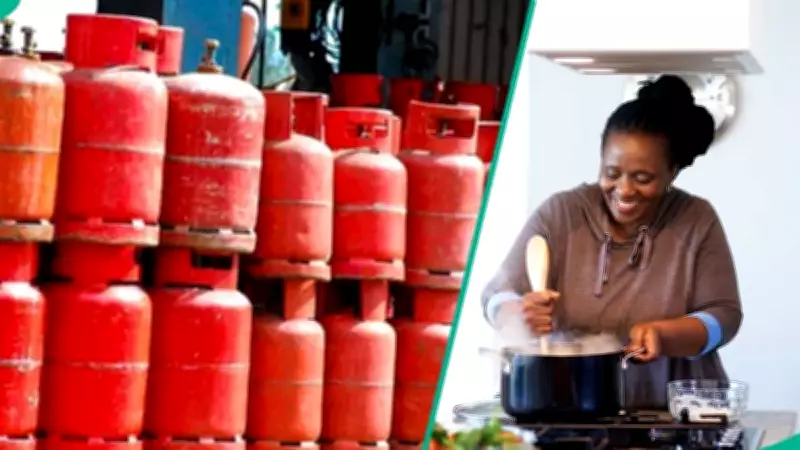
Cooking Gas Prices Crash to N1,080/kg, Bringing Relief to Nigerian Households
Retail cooking gas prices have experienced a significant drop across Nigeria, with some outlets now selling near the N1,000 per kilogram benchmark. This development offers much-needed relief to households grappling with high living costs, as improved imports and depot supply have helped stabilize the market after last year's disruptions.
Market Stabilization and Supply Improvements
According to new data from the Nigerian Midstream and Downstream Petroleum Regulatory Authority (NMDPRA), increased product inflows into local depots have stabilized availability across key markets. This reversal comes after severe shortages drove prices as high as N1,800 per kilogram in September 2025. The NMDPRA's January report reveals that Nigeria currently has about 18 days of national LPG sufficiency, reflecting improved stock levels nationwide.
The regulator noted that the average daily supply of LPG stands at 5,110 metric tonnes, while average daily consumption is estimated at 5,050 metric tonnes in January 2026. This near balance between supply and demand has contributed to the price reductions. Retail prices in January 2026 ranged between N950 and N1,550 per kilogram, depending on location.
Current Price Landscape Across Nigeria
Across the Federal Capital Territory (FCT), cooking gas, also known as Liquefied Petroleum Gas (LPG), now sells between N1,050 and N1,400 per kilogram, according to a survey by the News Agency of Nigeria (NAN). Some major marketers are reportedly selling as low as N900 per kilogram directly to end users, while NIPCO outlets in Abuja offer one of the lowest visible prices at N1,080 per kilogram.
If prices sustainably fall to N1,000 per kilogram, a standard 12.5kg cylinder refill would cost about N12,500—a level not seen since early 2024. This represents a substantial reduction from the peak prices experienced last year.
Industry and Consumer Reactions
Residents have welcomed the easing trend but urged the government to ensure price stability. Victoria Ahaneku, a civil servant in Abuja, described the drop as positive, noting that lower gas prices would improve consumer spending power. "The reduction means households will have more disposable income for other needs," she said, while calling for further cuts to discourage a return to charcoal and firewood.
Retailers confirm the market is gradually stabilizing. Ayobami Olarinoye, National Chairman of the LPG Retailers branch of the Nigeria Union of Petroleum and Natural Gas Workers, said some off-takers have resumed receiving supply in Apapa, Lagos. According to him, retailers currently buy LPG from major marketers at between N960 and N1,050 per kilogram, with street prices ranging from N1,300 to N1,400 depending on location and logistics.
Industry Developments and Future Outlook
Etulan Ikpoki, Country Manager of BURN Nigeria, emphasized the need for the Nigerian government to provide subsidies for climate goal actualization. She stated, "Clean cooking is a practical transition Nigeria can scale quickly, with immediate benefits for families. We welcome the government's leadership in putting policy frameworks in place that support credible carbon markets and clean energy investment."
In related industry news, Techno Oil has announced it has begun LPG cylinder manufacturing operations. The company says it is positioning itself at the heart of this transition with what it describes as one of the most advanced LPG cylinder manufacturing operations in West Africa. Their mission is to produce the strongest and safest cooking gas cylinders in Nigeria.
The current price reductions represent a significant shift in Nigeria's cooking gas market, offering relief to consumers while industry players work to improve supply chains and manufacturing capabilities. Market observers will be watching to see if these price levels can be sustained in the coming months.




