
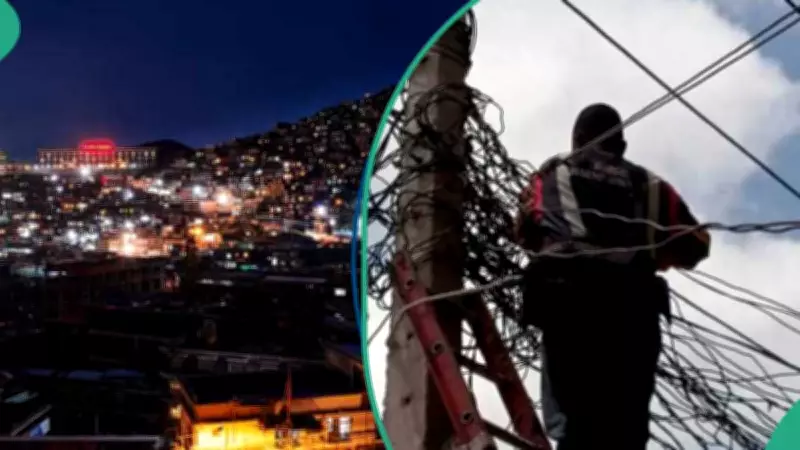
Electricity Workers Threaten Nationwide Strike Over Salary Demands
Nigeria faces a serious threat of widespread power blackouts as electricity workers have issued a strike ultimatum to the federal government. The National Union of Electricity Employees (NUEE), the Senior Staff Association of Electricity and Allied Companies (SSAEAC), and staff of the Transmission Company of Nigeria (TCN) are demanding significant salary increases and improved allowances.
Minister of Power Appeals for Restraint Amid Revenue Challenges
Power Minister Adebayo Adelabu has held emergency meetings with electricity sector unions and TCN management in Abuja to address the escalating crisis. During the engagement, Adelabu appealed to union leaders to moderate their demands, emphasizing the strategic importance of the power sector to Nigeria's economy.
The minister acknowledged that workers deserve fair compensation but stressed that Nigeria's current revenue constraints require realism in wage negotiations. He warned that excessive personnel costs could threaten the financial stability of TCN and undermine the sustainability of its operations.
Workers Demand 100% Salary Increase
Union representatives have confirmed they are demanding a 100% increase in salaries and allowances for electricity workers. According to Minister Adelabu, meeting these demands would raise TCN's monthly wage bill to approximately N4 billion, a figure he described as unsustainable for the company's financial health.
The minister explained that acceding to all union demands would result in personnel costs consuming TCN's entire earnings, creating an unsustainable situation that could damage both the organization and its employees.
Historical Context of Power Sector Strikes
This potential industrial action poses a severe risk to power supply for millions of Nigerians. Previous strike actions by electricity workers have resulted in nationwide blackouts, crippling economic activities and disrupting daily life across the country.
The current standoff comes at a particularly challenging time, as Nigerians have been paying higher electricity bills despite poor supply from distribution companies. Recent data from the Nigerian Electricity Regulatory Commission (NERC) shows that DisCos generated N1.13 trillion from customers between April and September 2025, despite widespread complaints about inadequate electricity supply.
Key Participants in Negotiations
The critical meeting in Abuja was attended by several key stakeholders:
- Minister of Power Adebayo Adelabu
- TCN Managing Director Engineer Abdul-Aziz Sule
- Nigeria Independent System Operator (NISO) Managing Director Engineer Mohammed Bello
- Union representatives including Opaluwa Eleojo and Dennis Ufene for NUEE
- John Okoro and Solomon Kigbu representing SSAEAC
Broader Implications for Nigeria's Economy
Minister Adelabu emphasized the broader implications of industrial action in the power sector, warning that frequent disruptions such as locking management out of offices could undermine national development efforts. He appealed to unions to maintain industrial harmony while negotiations continue.
The power minister also highlighted the federal government's broader efforts to improve workers' welfare across all sectors, urging electricity unions to consider these comprehensive initiatives alongside their specific demands.
As negotiations continue, millions of Nigerians await the outcome with concern, knowing that any industrial action by electricity workers could plunge the nation into darkness and disrupt economic activities at a critical time for the country's development.




