Federal Government Criticizes DisCos Over Slow Meter Installation, Reveals Current Figures
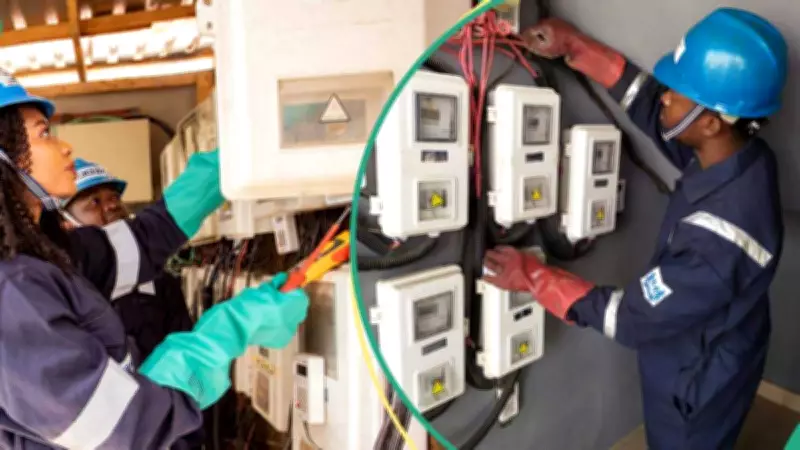
The federal government has publicly criticized electricity distribution companies for the sluggish pace of prepaid meter installations across Nigeria, despite the delivery of hundreds of thousands of units into the country. Officials revealed that only approximately 200,000 smart meters have been installed under the World Bank-backed Distribution Sector Recovery Programme, a figure described as disappointing given the program's ambitious targets.
Government Discloses Meter Installation Statistics
During a press briefing in Abuja led by Bureau of Public Enterprises Director-General Ayodeji Gbeleyi, government representatives disclosed that nearly 700,000 meters have already arrived in Nigeria under the DISREP initiative. However, the actual installation rate has lagged significantly behind deliveries, with only between 150,000 and 200,000 units deployed to consumers so far.
The DISREP program represents a major intervention in Nigeria's power sector, designed to address the country's estimated 5.66 million-meter metering gap. According to Gbeleyi, the program allows for bulk procurement of meters to improve billing accuracy and consumer confidence, with both the meters and their installation provided to customers at no cost.
Four-Year Meter Installation Target
The DISREP initiative aims to install 3.2 million smart meters over four years through a combination of international and local competitive procurement. Phase one involves importing approximately 1.44 million meters, including both single-phase and three-phase units, while local manufacturers are supplying an additional 217,000 units.
Phase two will cover the importation of another 1.55 million meters, with officials emphasizing that closing the metering gap remains a national priority. The process involves multiple agencies including the Nigerian Electricity Regulatory Commission, the Ministry of Power, and the National Mass Metering Initiative, all working to test and verify meters before deployment.
DisCos Face Criticism for Deployment Delays
Chief Technical Adviser to the Minister of Power, Adedayo Olowoniyi, described the current installation figures as disappointing, noting that DISREP is critical to fixing Nigeria's electricity distribution segment, widely regarded as the weakest part of the power value chain. He emphasized that customers are not expected to pay for the meters, as mechanisms already exist for cost recovery through the Multi-Year Tariff Order regulated by NERC.
NERC Chairman Musiliu Olalekan Oseni highlighted the importance of metering in restoring trust between electricity consumers and utilities, noting that meters provide revenue assurance for DisCos while giving customers confidence in their billing accuracy. The briefing was partly aimed at addressing misinformation surrounding the program and clarifying its objectives.
Broader Program Objectives and Challenges
BPE's Director of Energy Sector, Aisha Tukur, explained that DISREP goes beyond mere metering, stressing that the program is designed to improve operational efficiency, financial sustainability, and transparency across the electricity value chain. Despite these assurances, officials acknowledged that slow deployment by DisCos remains a major challenge, with hundreds of thousands of meters yet to be installed.
The $500 million World Bank loan supporting DISREP provides concessional funding split between investment in meters, data systems, technical assistance, and a results-based component focused on performance and governance reforms. The program complements other initiatives such as the Presidential Metering Initiative and the Meter Acquisition Fund, all aimed at accelerating nationwide meter deployment.
While DisCo chief executives pledged to speed up installations during the briefing, they also warned consumers against meter bypass and tampering, noting that such practices undermine revenue collection and worsen the sector's challenges. The electricity distribution companies have long faced criticism for poor performance, overestimated billing, and inability to provide stable electricity to households and businesses across Nigeria.