
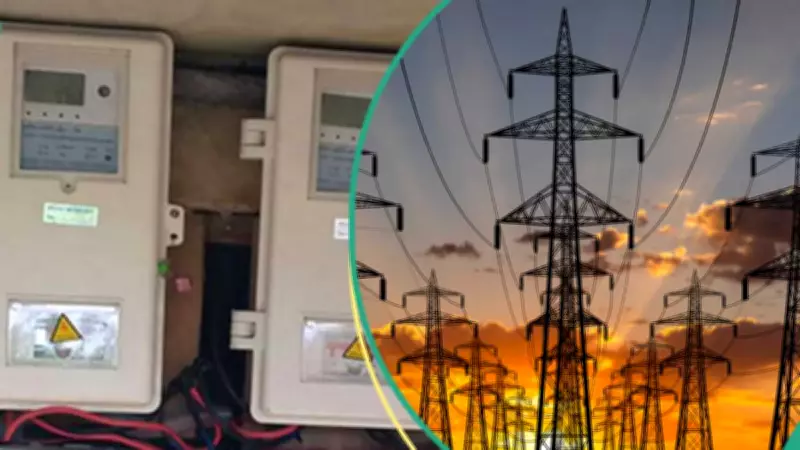
FG Ends Electricity Subsidy, Band A and B Users to Pay Full Cost Tariffs
Electricity consumers across Nigeria, particularly those in Band A and Band B classifications, are set to experience significant financial impacts as the Federal Government initiates a complete transition to a full cost-reflective tariff regime. This move effectively terminates decades of electricity subsidies, meaning households and businesses will soon bear the true costs of generation, transmission, and distribution without governmental financial support.
Minister Adelabu Announces Policy Shift
Minister of Power, Chief Adebayo Adelabu, disclosed this development on Thursday, April 16, 2026, during the inauguration of the new board for the Nigerian Electricity Management Services Agency (NEMSA) in Abuja. He described the policy as essential for the long-term survival and sustainability of Nigeria's power industry, emphasizing that without cost-reflective tariffs, the sector cannot attract the massive private investment needed to modernize the network and deliver reliable 24-hour electricity supply.
Aging Infrastructure Demands Urgent Overhaul
Adelabu stressed that Nigeria's power infrastructure is in dire need of renewal, with much of the equipment in generation, transmission, and distribution being over 60 years old and incapable of supporting a reliable supply. "We owe our country a duty to start renewing and revamping these infrastructural tools to levels that can guarantee uninterrupted and functional electricity supply," the minister stated. He highlighted that the current state of infrastructure necessitates urgent investment to prevent further deterioration and ensure consistent power delivery.
Decentralisation Empowers States and Local Governments
In a major policy shift, the government has empowered sub-national governments to regulate all aspects of electricity within their territories. Already, 17 states have secured regulatory autonomy, allowing them to license generators, distributors, and set tariffs locally. Adelabu revealed that local governments will soon join this initiative, further deepening decentralisation efforts. He pointed to the liberalisation drive under the Electricity Act 2023, which has opened the sector to greater private-sector participation, moving away from the era when entities like NEPA, PHCN, and TCN were solely federally owned.
NEMSA Board Tasked with Raising Standards
While inaugurating the NEMSA board, Adelabu charged members with modernizing the agency to align with the rapidly evolving power sector. Their responsibilities include scaling up inspection and certification processes, strengthening enforcement against substandard electrical materials, and preparing for the surge in off-grid solutions, renewable energy, embedded generation, and interconnected mini-grids. "The NEMSA that you left behind is no longer the same," Adelabu told the board. "The sector has transformed. We now have a sector that is governed by the Electricity Act of 2023, which has decentralisation and liberalisation as its focus."
Implications for Nigerian Consumers
For millions of Band A and B customers who already enjoy relatively better supply hours, the coming months will bring higher tariffs as subsidies are phased out. The government hopes this reform, though painful, will break the cycle of underfunding, poor infrastructure, and unreliable power. Industry watchers note that success will depend on how quickly states and private investors respond with new generation capacity and improved service delivery. The message from Abuja is clear: the era of subsidised electricity is ending, and Nigerians will now pay for the power they actually receive, with promises of a more efficient, sustainable, and reliable electricity industry in return.
Controversy Over Subsidy Claims
In related developments, power generation companies (GenCos) have criticized the federal government's announcement that it would stop bearing electricity subsidy costs alone from 2026, instead sharing the burden among federal, state, and local governments. Joy Ogaji, Managing Director and CEO of the Association of Power Generation Companies, argued that claims of government subsidy lack verifiable evidence, as they are not backed by budgetary allocations or official documentation. She stressed that generation companies have been absorbing revenue shortfalls for over a decade, highlighting ongoing disputes over the true nature of subsidy arrangements in the sector.




