
Federal Government Inaugurates Gas-to-Power Committee to Address Electricity Crisis
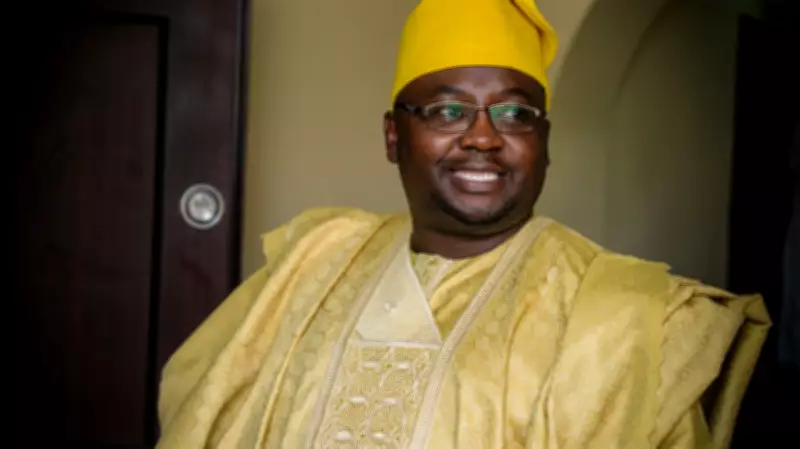
The Federal Government has taken a decisive step to combat Nigeria's persistent electricity shortfalls by inaugurating a Gas-to-Power Monitoring Committee. This strategic move aims to tackle the critical gas supply constraints that have severely hampered electricity generation across the nation, as announced by the Minister of Power, Adebayo Adelabu, during a ceremony in Abuja.
Addressing Critical Bottlenecks in the Power Sector
Minister Adelabu emphasized that gas-fired plants are responsible for approximately 80 percent of Nigeria's electricity output. However, these facilities have consistently faced significant setbacks due to a range of issues, including frequent supply disruptions, rampant pipeline vandalism, mounting debts owed to gas producers, and poor coordination within the sector. He described the inauguration as a clear declaration of intent, signaling that the administration will no longer tolerate the status quo, where these factors undermine generation capacity and deprive Nigerians of reliable power.
The committee was established following deliberations at the first quarter 2026 Ministerial Power Sector Working Group meeting. During these discussions, key impediments such as infrastructure gaps, liquidity constraints, and pricing challenges were identified as major barriers to steady gas supply. The committee is mandated to monitor and drive resolutions for critical issues, including the repair and maintenance of damaged gas pipelines, the settlement of outstanding debts to suppliers, and the removal of other commercial and operational obstacles that limit gas availability to power plants.
Broad Stakeholder Representation and Confidence in the Committee
Adelabu expressed strong confidence in the committee's capacity to deliver results, noting that its membership reflects a comprehensive representation across the gas-to-power value chain. Key stakeholders involved include the Ministry of Power, the Nigerian Independent System Operator (NISO), the Transmission Company of Nigeria (TCN), the Association of Generation Companies, the Niger Delta Power Holding Company (NDPHC), the Nigerian Gas Association, and various consumer advocacy groups. This diverse composition is expected to foster effective collaboration and ensure that all perspectives are considered in addressing the sector's challenges.
Inter-Agency Committee to Scrutinize $200 Billion Infrastructure Project
In a related development, the Federal Government has also constituted an inter-agency technical committee to scrutinize a proposed $200 billion integrated infrastructure project. This ambitious plan, submitted by De-Sadel (Nig.) Limited in partnership with China Liancai Petroleum Investment Holdings Limited, combines gas development, power generation and transmission, and a 4,000-kilometre high-speed rail network. The rail component is designed to link key economic corridors, including Lagos, Abuja, Kaduna, Kano, and Port Harcourt, potentially transforming transportation and boosting industrial growth.
Secretary to the Government of the Federation, George Akume, inaugurated the panel in Abuja, tasking members with conducting a thorough, objective, and professional review of the proposal in line with national interests. He stressed that the committee's work is critical to ensuring that government decisions on this ambitious infrastructure plan are guided by credible technical analysis, financial verification, and regulatory compliance. While acknowledging the project's potential to enhance energy security and stimulate economic development, Akume emphasized the need for comprehensive scrutiny to assess its feasibility and alignment with national priorities.
Committee Composition and Project Overview
The inter-agency committee draws membership from relevant ministries, departments, and agencies, including those responsible for transportation, petroleum resources, finance, justice, and environment, as well as regulatory and security institutions. This broad representation aims to ensure a holistic evaluation of the proposal's technical, financial, and regulatory aspects.
During the inauguration, Samuel Ukoh, Managing Director of the De-Sadel Consortium, presented an overview of the project, describing it as a transformative infrastructure initiative capable of redefining Nigeria's economic landscape. He highlighted the integrated approach, which seeks to leverage synergies between gas, power, and rail sectors to drive sustainable development and improve the quality of life for Nigerians.
These initiatives underscore the Federal Government's commitment to addressing Nigeria's energy and infrastructure deficits. By establishing dedicated committees to monitor gas supply issues and evaluate large-scale projects, the administration aims to foster a more reliable electricity supply and lay the groundwork for long-term economic growth. The success of these efforts will depend on effective implementation, stakeholder cooperation, and sustained political will to overcome the persistent challenges in the power and infrastructure sectors.




