
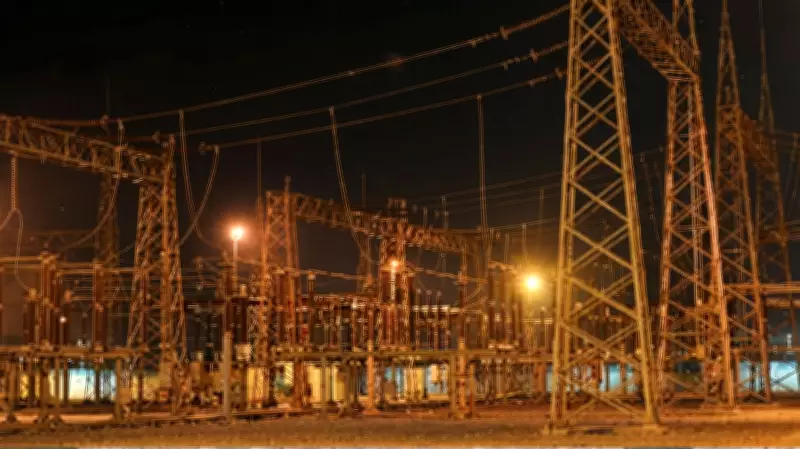
Siemens and PE Energy Collaborate to Modernize Nigeria's Electricity Grid
Two prominent energy firms, Siemens AG and PE Energy Limited, a subsidiary of PANA Holdings, have initiated a joint effort to modernize Nigeria's electricity grid. This partnership seeks to address persistent issues in stability, metering, and operational efficiency that have long plagued the nation's power sector.
Introducing the GridScale X Platform
At a media briefing in Abuja, Kofi Oppong, Siemens West Africa Regional Manager, announced the launch of the GridScale X platform. This innovative system offers smart meter validation, real-time billing, operational analytics, and AI-powered simulation tools designed to enhance grid performance and planning. Oppong emphasized that this move will tackle longstanding challenges in grid stability, metering accuracy, and operational efficiency.
Challenges in Nigeria's Power Sector
Nigeria's power sector has faced significant hurdles for years, leaving millions of households and businesses without reliable electricity. Despite an installed generation capacity exceeding 13,000 megawatts, actual output frequently drops below 4,000 to 5,000MW. Key constraints include gas supply shortages, ageing infrastructure, transmission bottlenecks, and frequent grid collapses.
The unbundling and privatization of the sector in 2013 were intended to boost efficiency and attract investment, but progress has been sluggish. Distribution companies continue to struggle with liquidity issues, metering gaps, and high technical and commercial losses. Consequently, many Nigerians depend on expensive and polluting alternatives such as diesel and petrol generators.
Local Capacity Development and Support
PE Energy Limited, through its Centre of Excellence in Port Harcourt, will provide systems integration, commissioning, technical support, and lifecycle asset management services. These efforts are aligned with Nigeria's local content framework, aiming to foster in-country capabilities.
Oppong highlighted critical issues confronting the sector, including ageing infrastructure, revenue assurance gaps, sustainable asset management, and metering data challenges. He stated, "This is about ensuring that adequate resources and capabilities exist in-country to support Nigeria's growth in the power sector while maintaining operational stability."
Emphasis on Local Content and Skills Transfer
Oppong stressed that local capacity development is central to the initiative. He added, "Fulfilling local content requirements means faster response times, stronger integration capability within Nigeria, and long-term skills transfer. The end goal is for Nigerian engineers to operate and sustain the grid while retaining value within the country."
This collaborative drive represents a significant step towards stabilizing Nigeria's power supply, leveraging advanced technology and local expertise to overcome entrenched challenges.




