
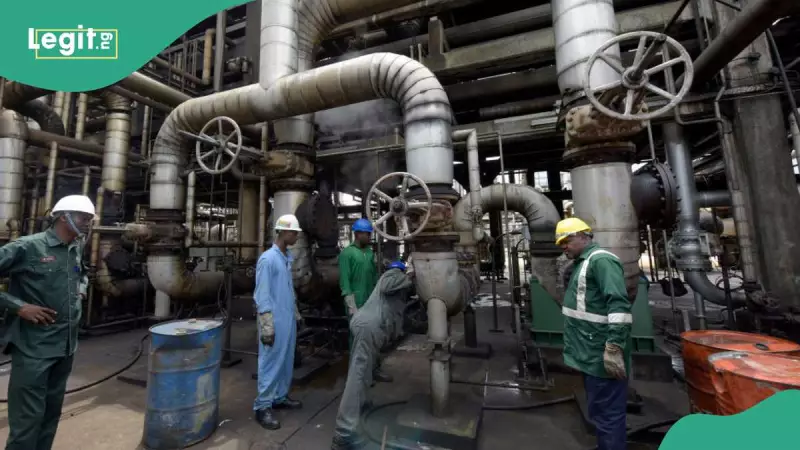
The stability of fuel prices in Nigeria is under serious threat due to the continued shutdown of three major state-owned refineries, a key petroleum marketers association has warned. The Petroleum Retail Outlets Owners Association of Nigeria (PETROAN) has raised the alarm that the prolonged inactivity at the Port Harcourt, Warri, and Kaduna refineries risks pushing the cost of petroleum products higher, placing additional strain on citizens and the economy.
Refinery Shutdowns and Their Immediate Impact
The Port Harcourt Refinery, which underwent a costly rehabilitation of about $1.5 billion, briefly resumed operations in November 2024 only to be shut down again on May 24, 2025. The Warri and Kaduna refineries have similarly faced persistent operational hurdles. This collective failure has forced Nigeria to maintain a heavy reliance on imported petrol and diesel, exposing the market to international price volatility and foreign exchange pressures.
PETROAN's National Public Relations Officer, Joseph Obele, emphasized that the substantial public funds invested in these facilities demand tangible results. He pointed out that the short-lived operation of the Port Harcourt plant demonstrated clear benefits, including a resurgence in business activities and youth employment within its host communities during that period.
Economic and Political Repercussions for 2027
The association has framed the refinery issue as both an economic imperative and a looming political challenge. Obele warned that voter sentiment ahead of the next general election cycle will be shaped more by visible outcomes like affordable fuel than by political promises. He stated that narratives of abandonment, mismanagement, and alleged fraud surrounding the refineries are expected to dominate political discourse and be exploited by both the ruling party and the opposition.
Beyond politics, PETROAN stressed that functional domestic refineries are critical for stabilizing the downstream petroleum market, especially following the removal of the fuel subsidy. "The resumption of refinery operations will introduce healthy competition in the downstream sector, which is expected to drive down petroleum product prices," Obele explained. He added that running multiple refineries simultaneously would reduce import dependence, improve supply stability, and ultimately lead to better pricing for consumers.
Call to Action and Market Context
The marketers have issued a direct appeal to the federal government, urging decisive action to ensure the revival of these refineries translates into real economic gains. PETROAN advises that operations should be restored and sustainably maintained by the first quarter of 2026 to stimulate job creation, boost business activities, and re-engage host communities.
This warning comes amidst a shifting market landscape. The Dangote Refinery is currently offering petrol at an ex-depot price of N699 per litre, which is notably cheaper than the landing cost of imported Premium Motor Spirit (PMS), reported to fluctuate between N750 and N780 per litre. This price differential highlights the potential competitive pressure and price moderation that functional local refining capacity can bring to the Nigerian market.
PETROAN's alert underscores a critical juncture for Nigeria's energy sector, where the government's ability to operationalize its refineries will have direct consequences on the cost of living, economic recovery, and the political climate as the nation moves toward 2027.




