
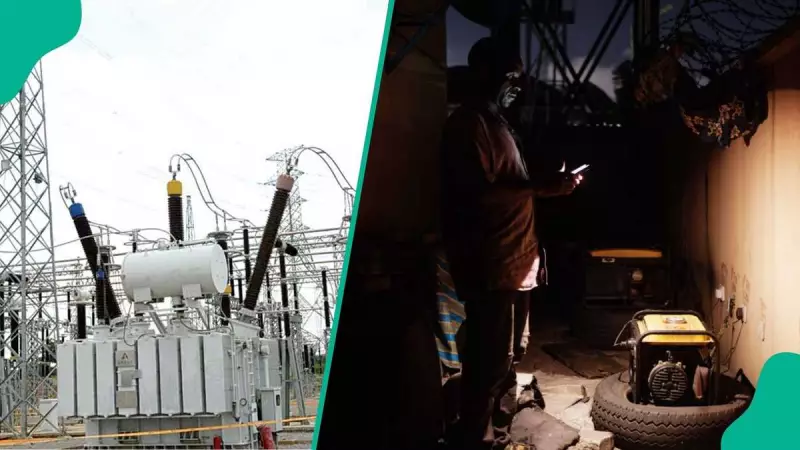
National Grid Suffers Multiple Collapses Within One Month
Nigeria's electricity infrastructure has experienced significant instability with the national grid collapsing three separate times during the month of January 2026. This troubling pattern has raised serious concerns about the reliability of the country's power supply system and its ability to meet growing energy demands.
Distribution Companies Identify Generation Shortfall
Electricity distribution companies across Nigeria have pointed to insufficient power generation as the fundamental cause behind these repeated grid failures. In official communications to their customers, multiple DisCos confirmed widespread outages resulting from the latest collapse event.
The Abuja Electricity Distribution Company reported experiencing a complete loss of supply across its entire network, while the Port Harcourt Electricity Distribution Company similarly informed customers that outages affecting its franchise areas stemmed directly from grid instability. Both entities appealed for patience as restoration efforts commenced.
Official Response and Technical Explanation
Sunday Oduntan, spokesperson for the electricity distribution companies, acknowledged public concerns about the recurring collapses but emphasized that the power sector was not reverting to an era of constant grid failures. He highlighted that key stakeholders, including the Nigerian Independent System Operator, are actively working to stabilize the national electricity system.
However, Oduntan stressed that inadequate power generation remains a persistent challenge for the sector. While noting that recent grid faults were resolved more quickly than similar incidents in 2024, he emphasized that the underlying issue of low generation capacity continues to place excessive pressure on the entire electricity infrastructure.
Technical Details of the Latest Incident
The Nigerian Independent System Operator provided technical clarification about the most recent disruption, describing it as a voltage disturbance rather than a complete system failure. According to NISO's official statement, the disturbance originated from the Gombe Transmission Substation at approximately 10:48 AM on Tuesday and subsequently spread across multiple sections of the national network.
This voltage event affected transmission substations in Jebba, Kainji, and Ayede, causing several transmission lines and generating units to trip offline. NISO characterized the incident as a partial system collapse and confirmed that corrective measures were implemented immediately following the disturbance.
Restoration efforts began around 11:11 AM, with electricity supply across all affected areas reportedly returning to normal operation shortly thereafter. The agency emphasized its rapid response capabilities despite the challenging circumstances.
Broader Sector Implications and Public Reaction
These repeated grid failures have reignited critical discussions within Nigeria's power sector regarding grid resilience, necessary investments in transmission infrastructure, and the urgent need for improved generation capacity to support the country's expanding electricity requirements.
Meanwhile, Nigerian consumers across major urban centers have expressed mounting frustration with electricity distribution companies for failing to meet minimum supply hours mandated by the Nigerian Electricity Regulatory Commission. Customers across various tariff bands, including those entitled to longer daily supply periods, report receiving substantially less electricity than promised.
Industry critics and regulatory authorities have called for stricter enforcement mechanisms and enhanced accountability measures to ensure that electricity consumers receive services commensurate with their payments. This situation highlights the ongoing challenges facing Nigeria's power sector as it strives to provide reliable electricity to homes, businesses, and industries nationwide.




