
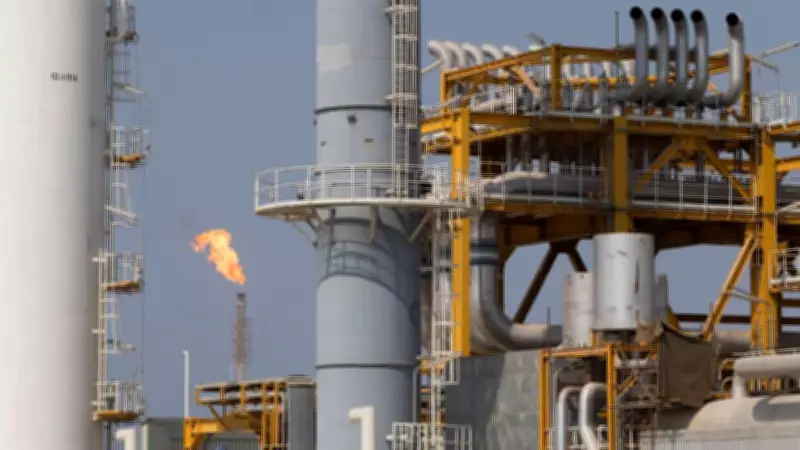
Israeli Airstrike Obliterates World's Largest Gas Field in Iran
In a dramatic escalation of Middle East hostilities, an Israeli airstrike has struck and destroyed Iran's South Pars gas field, the world's largest natural gas reserve. This aggressive military action has sent shockwaves through global energy markets and raised immediate concerns about regional stability and worldwide energy security.
Critical Energy Infrastructure Targeted
Iranian state media confirmed explosions at the massive South Pars facility following what authorities described as an Israeli attack. This strategic gas field, which Iran shares with neighboring Qatar, produces approximately three-quarters of Iran's total gas supply and represents a cornerstone of both regional and global energy infrastructure. The destruction of such a vital resource marks a significant escalation in the ongoing conflict between Israel and Iran.
Qatar swiftly condemned the strike, with Foreign Ministry spokesman Majed Al Ansari characterizing the attack as reckless and irresponsible. "The Israeli targeting of facilities linked to Iran's South Pars field, an extension of Qatar's North Field, is a dangerous and irresponsible step amid the current military escalation in the region," Al Ansari stated, highlighting the interconnected nature of Gulf energy resources.
Iran Vows Retaliation and Warns of Expanded Conflict
Iran responded to the attack with forceful warnings of imminent retaliation, signaling the potential for the conflict to expand to energy infrastructure throughout the Gulf region. The Iranian military issued a stark declaration: "As previously warned, if the fuel, energy, gas, and economic infrastructures of our country are attacked by the American-Zionist enemy, in addition to a powerful counterattack against the enemy, we will severely strike the origin of that aggression as well."
The statement continued with a clear threat: "We consider targeting the fuel, energy, and gas infrastructures of the countries of origin legitimate and will retaliate strongly at the earliest opportunity." This rhetoric suggests Iran may target energy facilities in nations it perceives as supporting Israeli actions.
Evacuation Warnings and Broader Military Actions
As tensions mounted, Iran issued urgent evacuation warnings for major oil and gas installations across the Gulf, including facilities in Saudi Arabia, the United Arab Emirates, and Qatar. The warning explicitly stated these centers "have become direct and legitimate targets and will be targeted in the coming hours," advising all citizens, residents, and employees to immediately leave these areas for safety.
Simultaneously, Israel's military confirmed it had conducted strikes on fuel infrastructure in southern Lebanon linked to Hezbollah, the Iran-backed armed group. This indicates a broader military campaign targeting Iranian-linked energy assets across multiple fronts.
Global Energy Markets React Sharply
The attack triggered immediate volatility in global energy markets, with oil prices surging approximately five percent to $108 per barrel. Market analysts expressed particular concern about potential disruptions to supplies through the strategically vital Strait of Hormuz, which handles roughly one-fifth of global oil exports. Any interference with this critical shipping channel could have devastating consequences for worldwide energy supplies.
Nuclear Plant Incident Complicates Situation
Further complicating the already tense situation, reports emerged that a projectile struck the Bushehr Nuclear Power Plant, Iran's only operational nuclear facility. The International Atomic Energy Agency confirmed the incident but reported no damage to the plant or injuries to staff.
IAEA Director General Rafael Grossi called for restraint, stating: "A call for restraint during the conflict to avoid any risk of a nuclear accident." This incident raises additional concerns about potential nuclear safety risks amid the escalating military confrontation.
Broader Regional Implications
The developments occur within a context of broader military activity involving the United States, with reports indicating former president Donald Trump authorized strikes on Iranian missile infrastructure to counter threats to regional shipping routes. As tensions continue to mount and threats expand to encompass critical energy and nuclear sites, security analysts warn the conflict could have far-reaching consequences for global markets and regional stability.
With the destruction of the world's largest gas field and threats against additional energy infrastructure, the Middle East faces one of its most dangerous escalations in recent memory, with implications that extend far beyond the region's borders.




