
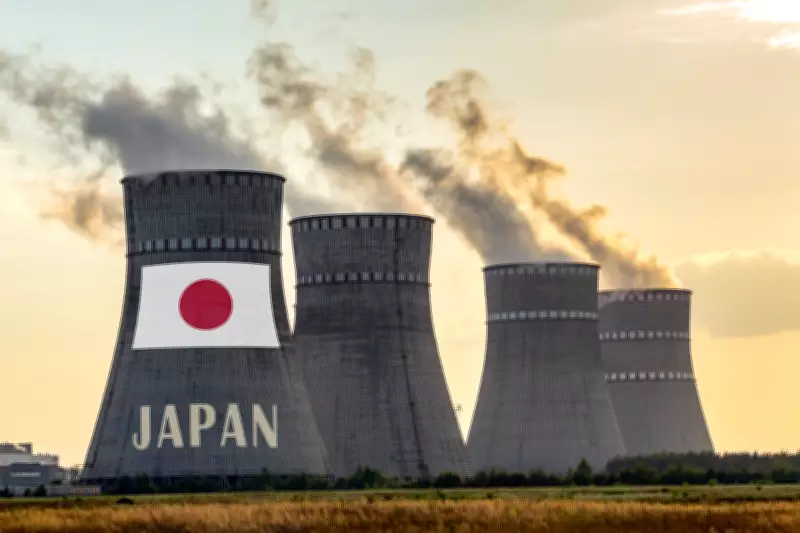
Japan to Restart World's Largest Nuclear Plant After Alarm Issue Resolved
Japan is preparing to restart the Kashiwazaki-Kariwa nuclear power plant, the world's largest by potential capacity, next week following a brief operational suspension caused by an alarm malfunction during its initial restart attempt. This significant move marks the first restart of a Tokyo Electric Power (TEPCO)-operated reactor since the catastrophic 2011 Fukushima disaster, representing a pivotal moment in Japan's nuclear energy policy.
Operational Timeline and Technical Resolution
At a press conference on Friday, plant chief Takeyuki Inagaki announced the planned reactor start-up for February 9. The facility had been restarted on January 21 but was shut down the following day after a monitoring system alarm was triggered. Inagaki provided a detailed explanation, stating that the alarm had been incorrectly configured, causing it to sound in response to minor, safe fluctuations in an electrical cable's current.
The technical issue has since been fully resolved. "The firm has now changed the alarm's settings as the reactor is safe to operate," Inagaki stated emphatically. He added that commercial operation is scheduled to begin on or after March 18, pending another comprehensive inspection to ensure all systems are functioning optimally.
Historical Context and Current Restart Details
The Kashiwazaki-Kariwa plant has been offline since Japan halted nuclear power generation following the devastating 2011 earthquake and tsunami that caused a triple meltdown at the Fukushima Daiichi plant. The current restart involves only one of the facility's seven reactors, representing a cautious, phased approach to resuming nuclear operations.
This restart is part of Japan's broader strategic initiative to revive nuclear energy as a key component of its national energy policy. The government aims to:
- Reduce dependence on fossil fuels
- Achieve carbon neutrality by 2050
- Meet rising energy demands, including those driven by artificial intelligence development and other technological advancements
Local Opposition and Safety Concerns
Despite the government's strategic objectives, the restart remains highly contentious at the local level. A September survey conducted by Niigata prefecture revealed that approximately 60 percent of residents oppose the restart, while only 37 percent support it. This opposition reflects deep-seated concerns about nuclear safety in the wake of the Fukushima disaster.
Opponents have consistently cited seismic risks as a primary concern. In January, they submitted a petition with nearly 40,000 signatures that highlighted two critical safety issues:
- The plant's location on an active fault zone
- Its history of being struck by a strong earthquake in 2007
These concerns underscore the ongoing tension between national energy needs and local safety priorities as Japan moves forward with its nuclear revival strategy.




