
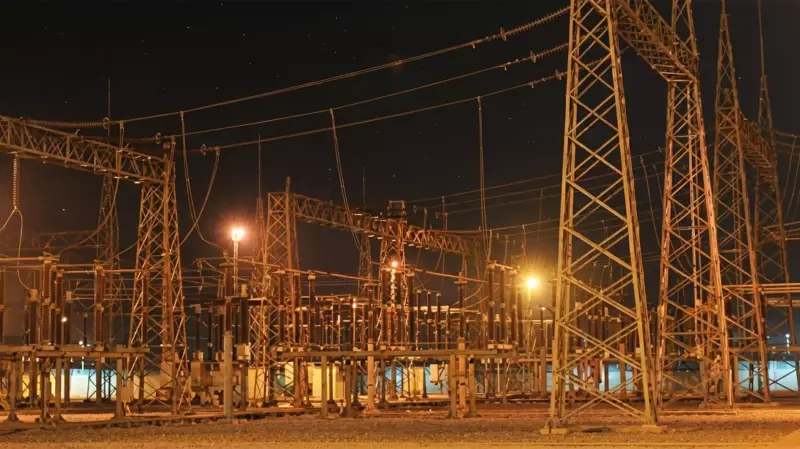
Nigeria's electricity supply system experienced a severe nationwide disruption on Friday, marking the first complete national grid collapse of the year 2026. Real-time operational data revealed a catastrophic drop in power generation, falling to an unprecedented zero megawatts, which resulted in extensive blackouts across large swathes of the country.
Complete Generation Failure Recorded
Figures obtained from the official grid performance dashboard, published by the Nigerian Independent System Operator, indicated that at precisely 14:00 hours, real-time electricity generation stood at a concerning 0.00MW. The data showed that only a single generation company was reporting on the platform at the time of the system failure.
Major Power Plants Affected
All significant power generation facilities listed on the monitoring dashboard were shown to be producing zero output during the collapse incident. These included:
- Afam Power Plant
- Alaoji Generation Station
- Egbin Power Station
- Geregu Power Plant
- Jebba Hydroelectric Power Station
- Kainji Dam Power Plant
- Odukpani Power Plant
- Okpai Independent Power Plant
Distribution Network Severely Impacted
The system disturbance quickly cascaded into the distribution segment of the electricity market, with load allocation to electricity distribution companies dropping dramatically. Data from the national load allocation page revealed that total power allocated across the entire country stood at a mere 65MW, far below the nation's actual electricity demand.
Disparate Allocation Among Distribution Companies
According to the detailed breakdown, Ibadan Electricity Distribution Company received the highest allocation of 50MW, while Benin Electricity Distribution Company was allocated 10MW and Abuja Electricity Distribution Company received just 5MW. Other major distribution companies recorded zero allocation, including:
- Eko Electricity Distribution Company
- Ikeja Electric
- Enugu Electricity Distribution Company
- Jos Electricity Distribution Company
- Kaduna Electric
- Kano Electricity Distribution Company
- Port Harcourt Electricity Distribution Company
- Yola Electricity Distribution Company
This uneven distribution underscored the severity and widespread nature of the grid failure.
Persistent Grid Vulnerability Concerns
This collapse represents the first system-wide electricity outage in 2026, reviving longstanding concerns about the persistent fragility of Nigeria's electricity transmission infrastructure. Industry operators have repeatedly warned that multiple factors continue to expose the national grid to sudden failures, including:
- Ageing transmission infrastructure
- Frequent system disturbances and instability
- Inadequate spinning reserve capacity
- Technical limitations in grid management
Official Response Pending
As of press time, neither the Transmission Company of Nigeria nor the system operator had issued an official statement explaining the immediate cause of the collapse. There was also no clear timeline provided for the complete restoration of electricity supply to affected areas across the country.
Contrast with Government Assurances
This latest grid failure incident occurs despite repeated assurances from authorities that ongoing investments under various intervention programs would enhance grid stability. The Distribution Sector Recovery Programme and other government initiatives had been promoted as solutions to strengthen the electricity transmission network and prevent such widespread outages.
The national grid collapse highlights the urgent need for comprehensive infrastructure upgrades and improved grid management strategies to ensure reliable electricity supply for Nigeria's growing population and economic activities.




