
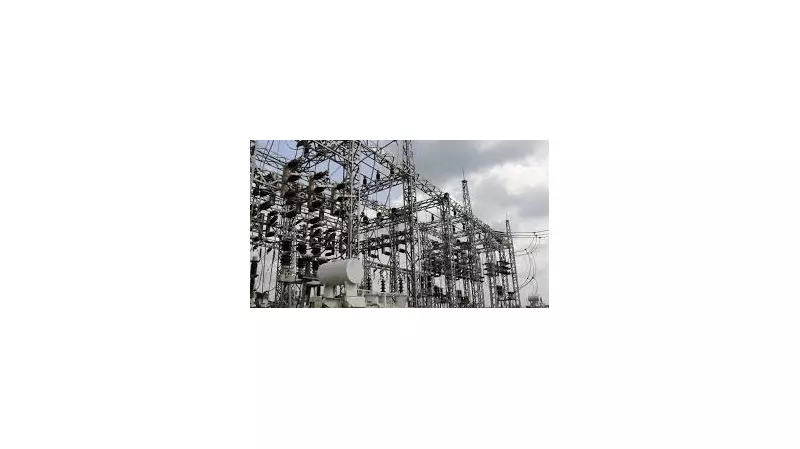
Nigeria's National Grid Suffers First Collapse of 2026, Plunging Nation into Darkness
In a significant setback for the nation's power sector, Nigeria's national electricity grid collapsed for the first time in 2026 on Friday, January 23. The incident resulted in a complete halt to power generation, with output dropping to zero megawatts (MW), according to official data from the Nigerian Independent System Operator (NISO).
Complete Power Blackout Across Distribution Companies
The collapse had an immediate and widespread impact, as load allocation to all eleven electricity distribution companies (DisCos) across the country fell to zero MW by 1:00 PM on Friday. This unprecedented drop affected every major distribution zone, including:
- Benin Electricity Distribution Company
- Eko Electricity Distribution Company
- Enugu Electricity Distribution Company
- Ikeja Electric
- Jos Electricity Distribution Company
- Kaduna Electric
- Kano Electricity Distribution Company
- Port Harcourt Electricity Distribution Company
- Ibadan Electricity Distribution Company
- Abuja Electricity Distribution Company
- Yola Electricity Distribution Company
Each of these critical infrastructure providers recorded zero power allocation during the grid failure, leaving millions of consumers without electricity across urban and rural areas.
Historical Context of Grid Instability
This latest collapse continues a troubling pattern of grid instability that plagued Nigeria throughout 2025. Last year witnessed multiple national grid failures, with the most recent incident occurring on December 29, 2025. The recurrence of such systemic failures within weeks of the new year raises serious concerns about the resilience and reliability of Nigeria's power infrastructure.
The Nigerian Independent System Operator, responsible for managing the national grid, confirmed the complete generation drop through its monitoring systems. This collapse represents more than just a temporary inconvenience—it highlights fundamental challenges in power transmission, generation capacity, and grid management that continue to undermine Nigeria's economic development and quality of life for its citizens.
As authorities work to restore power and investigate the root causes of this latest failure, businesses, hospitals, schools, and households nationwide face the consequences of an unreliable electricity supply that has become all too familiar in recent years.




