
Niger's military government has declared it will begin selling uranium from the formerly French-operated Somair mine on the international market, marking a significant escalation in the ongoing resource dispute with former colonial power France.
Junta Asserts Control Over Natural Resources
The announcement was made on state television Tele Sahel during a Sunday evening broadcast that featured comments from junta leader General Abdourahamane Tiani. The military commander emphasized what he called Niger's legitimate right to dispose of its natural riches and sell them to interested buyers under market rules and complete independence.
This move represents the latest development in the standoff between Niger's military regime and French nuclear giant Orano, which saw its operational control over three major uranium mines in Niger revoked in 2024. The nationalization of Somair occurred in June 2025, stripping Orano of its management role despite the company maintaining a 60 percent ownership stake in the subsidiary.
Historical Context and Regional Shifts
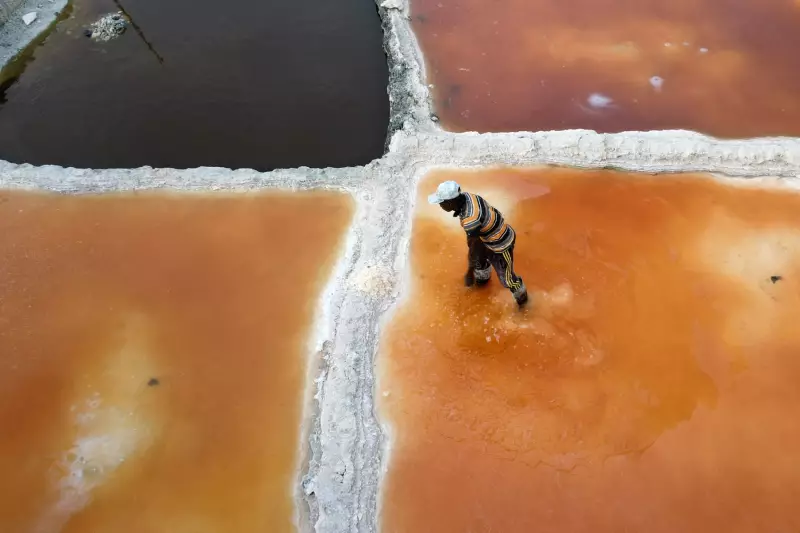
The current uranium controversy unfolds against a backdrop of Niger's rich history of resource extraction. Long before uranium and gold discoveries, salt was the primary wealth extracted from the Niger Sahara, with the salt pans of Kalala near Bilma serving as essential caravan route stops for centuries.
Since the 2023 coup that brought the military junta to power, Niger has dramatically shifted its international alliances. The country has turned toward Russia, which commands the world's largest arsenal of atomic weapons, for assistance in combating jihadist insurgencies while simultaneously distancing itself from France.
Russian Energy Minister Sergei Tsivilev expressed Moscow's interest in uranium mining in Niger during July discussions, signaling potential new partnerships in the resource sector.
European Energy Implications
The situation carries significant implications for European energy security. According to data from atomic organization Euratom, Niger supplied approximately one quarter of the natural uranium used by European nuclear power plants in 2022.
The three mines at the center of the dispute—Somair, Cominak, and Imouraren—represent substantial uranium assets, with Imouraren containing one of the largest uranium deposits globally. Orano has initiated various arbitration procedures in an attempt to regain operational control over these strategic resources.
As Niger moves forward with its plan to market uranium independently, the international community watches closely to see how this resource nationalism will affect global uranium markets and geopolitical alliances in the volatile Sahel region.




