
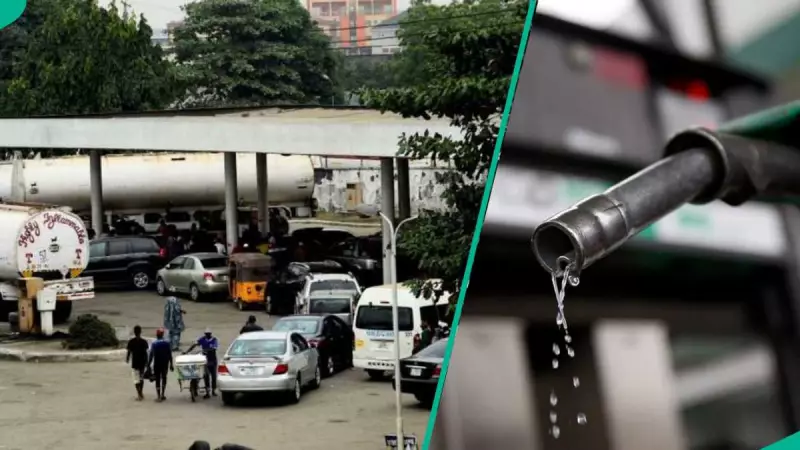
Nigeria Achieves Global Recognition as One of the Cheapest Petrol Selling Nations
In a significant development for the Nigerian economy, the country has been officially ranked among the top 10 nations with the lowest petrol prices globally at the start of 2025. This remarkable achievement comes as a direct result of strategic market interventions and increased domestic refining capacity.
Dangote Refinery's Pivotal Role in Fuel Price Reduction
The decision by Dangote Refinery to substantially reduce ex-depot prices has been instrumental in positioning Nigeria favorably on the global stage. Following the refinery's bold move to slash gantry prices to N699 and mandate MRS filling stations to sell at N739 nationwide, a competitive pricing wave swept through the Nigerian fuel market.
This pricing strategy forced other major players, including the Nigerian National Petroleum Company Limited, to respond by lowering their prices from an average of N900 to approximately N750. Similarly, private depots, which traditionally relied on imports, adjusted their prices to remain competitive with Dangote's pricing structure.
Global Petrol Price Rankings and Nigeria's Position
According to comprehensive data from GlobalPetrolPrices.com, Nigeria now stands proudly among the world's most affordable fuel markets. The ranking, which considers prices converted from dollars to naira using an exchange rate of N1,400/$, places Nigeria at N760 per litre, securing the tenth position globally.
This achievement is particularly noteworthy as Nigeria joins four other African nations in the top 10 cheapest fuel countries list, demonstrating the continent's growing influence in global energy markets.
African Dominance in Affordable Fuel Markets
The global ranking reveals strong African representation, with Libya leading not only the continent but the entire world with petrol priced at just N39.22 per litre. Libya's abundant oil reserves and efficient distribution systems contribute to these remarkably low prices.
Other African nations making the prestigious list include Angola at N464.60 per litre, Egypt at N627.56 per litre, and Algeria at N513.81 per litre. These countries benefit from various combinations of government subsidies, domestic oil production, and strategic pricing policies that keep fuel affordable for their citizens.
Global Context of Affordable Fuel Markets
Beyond Africa, several other nations maintain exceptionally low petrol prices through various mechanisms. Iran follows closely behind Libya at N45.58 per litre, maintaining affordability despite international sanctions through strict government price controls.
Venezuela offers petrol at N49.65 per litre, though economic challenges sometimes affect availability. Middle Eastern nations like Kuwait maintain prices at N484.42 per litre through substantial government subsidies that protect citizens from global market volatility.
Central Asian countries also feature prominently, with Turkmenistan selling petrol at N607.34 per litre and Kazakhstan offering fuel at N683.40 per litre, both benefiting from state regulation and price controls.
Impact on Nigerian Consumers and Economy
The reduction in fuel prices has brought substantial relief to Nigerian consumers and businesses alike. According to recent data from the Nigerian Midstream and Downstream Petroleum Regulatory Authority, Nigerians spent approximately N1.58 trillion on petrol in December 2025 alone.
The regulator's December factsheet revealed that average daily petrol consumption reached 63.7 million litres throughout the month, with total nationwide usage estimated at about 1.97 billion litres for the 31-day period. December typically records higher fuel consumption due to increased holiday travel and enhanced logistics activities across the country.
Future Outlook for Nigeria's Fuel Market
Nigeria's growing local refining capacity, spearheaded by the Dangote Refinery, has significantly reduced dependence on imported fuel and created a more stable pricing environment. This development marks a crucial step toward energy independence and economic stability.
The current pricing structure not only benefits individual consumers but also supports various sectors of the economy, including transportation, manufacturing, and agriculture, by reducing operational costs and improving overall economic efficiency.
As Nigeria continues to develop its domestic refining capabilities and implement strategic pricing policies, the country is well-positioned to maintain its status as one of the world's most affordable fuel markets, contributing to broader economic growth and development goals.




