
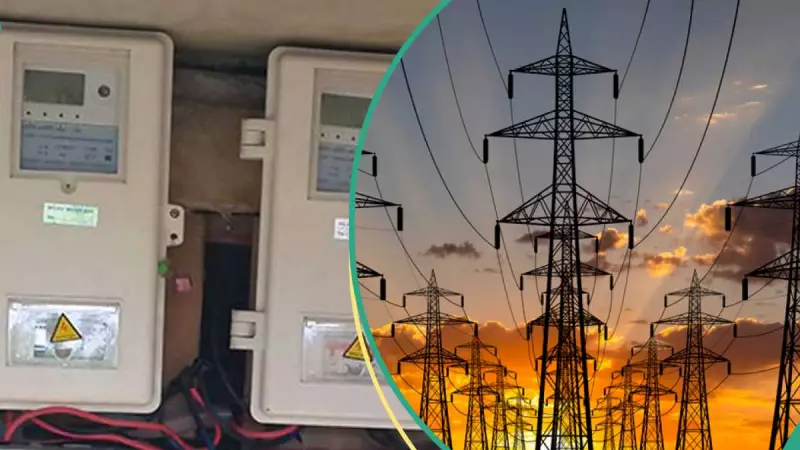
The Nigerian electricity sector, long plagued by financial instability and operational challenges, has received a significant boost with the Federal Government successfully raising N501 billion through a dedicated bond issuance. This landmark financial initiative represents the most substantial effort yet by the Bola Tinubu administration to resolve payment arrears that have crippled power generation for more than a decade.
Historic Debt Settlement Programme Takes Shape
Under the Presidential Power Sector Debt Reduction Programme, the inaugural bond tranche closed on Tuesday, January 27, 2026, achieving full subscription with strong participation from pension funds, commercial banks, and asset management companies. According to Olu Arowolo Verheijen, the President's special adviser on Energy, this financial instrument marks a crucial step toward restoring confidence in Nigeria's troubled power market.
Structured Financial Solution for Power Sector
The bond issuance was strategically structured with N300 billion raised from the capital market and an additional N201 billion in bonds allocated directly to power generation companies. This comprehensive approach targets 14 power plants operated by five generation firms that have been owed for electricity supplied between February 2015 and March 2025.
Total negotiated settlements across these companies stand at N827.16 billion, which will be payable in four instalments. The proceeds from this first tranche will fund approximately half of the outstanding obligations through a combination of cash payments and promissory notes. Specifically, Series 1 alone is expected to cover the first and second instalment payments estimated at N421.42 billion.
Industry Response and Investment Prospects
Power sector stakeholders have welcomed the settlement programme, expressing optimism that it could finally unlock stalled investments and restore market confidence. Kola Adesina, group managing director of Sahara Power Group which operates five plants including the 1,320-megawatt Egbin Power Station, emphasized that "capital formation can only come when there is confidence and a clear line of sight to recovering investments already made."
Adesina further revealed that once the settlement process is completed, construction would commence immediately on the second phase of the Egbin plant. The beneficiaries of this debt clearance initiative include First Independent Power Limited, Geregu Power Plc, Ibom Power Company Limited, Mabon Limited, and the Niger Delta Power Holding Company, representing a combined generation capacity of 4,483.60 megawatts per hour.
Addressing Systemic Power Sector Challenges
Nigeria's chronic electricity shortages have significantly constrained economic growth in Africa's most populous nation, where routine blackouts persist despite the country's vast natural gas reserves. For years, generation companies have struggled to maintain power plants and secure adequate fuel supplies due to unpaid invoices, creating a vicious cycle of declining output and mounting financial obligations.
The Tinubu administration, which assumed office in May 2023, has positioned electricity reform as a central pillar of its economic agenda, alongside fuel subsidy removal and broader fiscal restructuring. Officials emphasize that the debt programme is specifically designed to restore financial discipline through validated claims, transparent financing mechanisms, and market-based debt resolution approaches.
Implications for Consumers and Investors
Government authorities expect the clearance of historic arrears to improve liquidity for generation companies, strengthen operational capabilities, and attract fresh investment into the electricity sector. Ultimately, the programme aims to settle receivables tied to over 290,000 gigawatt hours of electricity supplied over the past decade, directly impacting service delivery to more than 12 million registered customers across Nigeria.
CardinalStone Partners served as the lead adviser for this initiative, working in collaboration with Nigerian Bulk Electricity Trading Plc, the Debt Management Office, the Central Bank of Nigeria, and other regulatory bodies. With three more instalments planned under the programme, officials believe sustained implementation could finally establish the groundwork for a financially viable electricity market and significantly reduce nationwide blackouts.
Complementary Renewable Energy Initiatives
This debt settlement programme coincides with other energy sector initiatives, including the federal government's proposal to spend approximately N30.34 billion on solar mini-grids, inverters, and related renewable energy solutions for ministries, departments, and agencies in the 2026 budget. According to budget analysis, these funds are intended to provide alternative power for government facilities, educational institutions, and select communities across the country as Nigeria continues to address frequent power outages and repeated collapses of the national electricity grid.
The breakdown of this renewable energy allocation reveals that the State House is the single largest spender, with a proposal of N7 billion for a solar mini-grid to electrify key infrastructure within the seat of power. These complementary initiatives demonstrate a multi-faceted approach to addressing Nigeria's persistent energy challenges.




