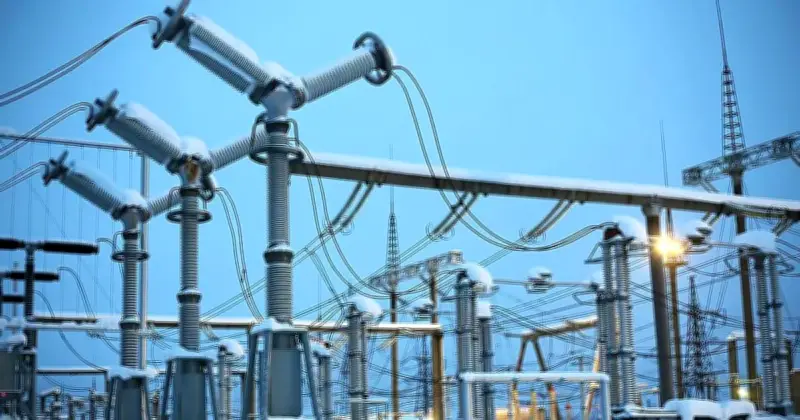
Despite over $3.65 billion in World Bank-backed funding for Nigeria’s power sector over more than two decades, the country continues to grapple with persistent electricity challenges, including blackouts and weak infrastructure performance. The investments were directed at transmission, distribution, metering, and rural electrification projects, yet many households and businesses still rely on generators due to unreliable grid supply.
Massive investment gap remains
The Federal Government recently estimated that Nigeria requires more than $100 billion in combined public and private investment to achieve stable, 24-hour electricity supply nationwide. This figure covers the entire power value chain, including generation expansion, transmission upgrades, distribution infrastructure, and gas supply systems. According to the Ministry of Power, a significant portion of this investment is needed to add about 20,000 megawatts of capacity, strengthen transmission networks, and expand distribution to reach urban and rural areas.
International funding and structural issues
Over the years, international partners have financed projects worth over $3.65 billion, targeting rural electrification, grid expansion, metering programmes, and renewable energy. However, industry data suggest these investments have not translated into stable nationwide access due to structural inefficiencies. The Rural Electrification Agency recently announced new financing initiatives, including a ₦100 billion arrangement with a commercial bank, to accelerate mini-grid and renewable energy projects in underserved communities.
Nigeria’s power supply remains inconsistent, with frequent grid instability and low reliability. While installed capacity has improved, actual power delivered to consumers is significantly lower than demand, widening the gap between spending and supply. For many Nigerians, the reality is unchanged: unreliable electricity, rising energy costs, and continued reliance on self-generated power. The challenge remains whether the projected $100 billion investment will finally deliver stable electricity for the country’s over 200 million population.