
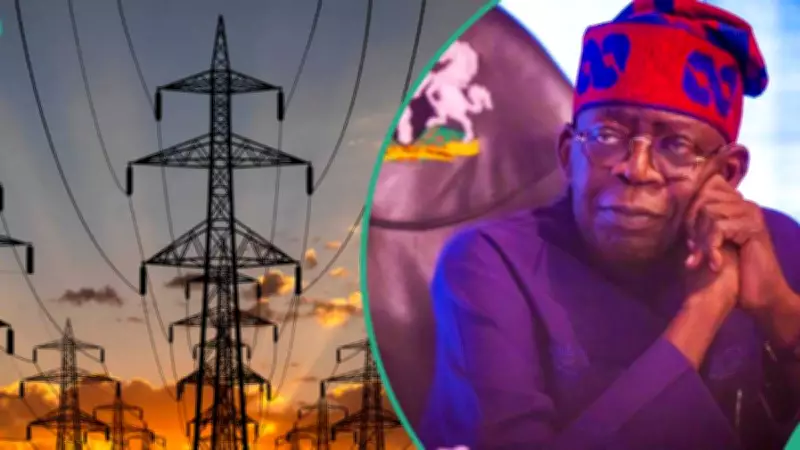
Nigerians to Endure Prolonged Blackouts as FG and GenCos Disagree on Electricity Debt Figures
The Federal Government of Nigeria and electricity generation companies (GenCos) remain locked in a contentious dispute over the accurate value of outstanding debts in the power sector, with conflicting figures threatening to extend nationwide blackouts. This disagreement underscores deep-seated financial challenges, including legacy debts and opaque accounting practices, that continue to hamper reliable electricity supply.
FG Revises Debt Estimates, GenCos Demand Transparency
Minister of Power, Adebayo Adelabu, recently announced that after reconciliation efforts, the debt owed to GenCos might be significantly lower than the widely cited N6.3 trillion. Speaking at a press briefing in Abuja, Adelabu explained that initial estimates of around N4 trillion as of the end of 2024 were audited and adjusted to approximately N2.8 trillion, factoring in interest charges and foreign exchange components. He emphasized that ongoing discussions could settle the final figure near N4 trillion, with at least 60% of the debt linked to payments due to gas suppliers, who are critical for electricity generation.
However, GenCos have strongly contested these revised figures, calling for greater transparency in the reconciliation process. Joy Ogaji, Executive Secretary of the Association of Power Generation Companies, questioned the government's methodology, stating that no joint reconciliation meeting has occurred since March 2025. She urged authorities to publish detailed breakdowns of how the figures were calculated, highlighting that GenCos' claims are based on contractual agreements, including unpaid invoices from 2015, capacity payments, foreign exchange adjustments, and costs from frequent plant start-ups and shutdowns.
Financial Hurdles and Sector Reforms
The ongoing disagreement highlights broader financial issues plaguing Nigeria's power sector, such as tariff gaps, operational inefficiencies, and legacy debts that deter investment. Despite reform initiatives aimed at stabilizing the market, achieving consensus between the FG and GenCos is crucial for restoring investor confidence and ensuring long-term sector stability. In a related development, the federal government raised N501 billion through bonds to address historic electricity debts, a move intended to boost confidence and unlock investments, potentially improving service for over 12 million customers.
As Nigerians continue to face unreliable power supply, the resolution of this debt dispute remains pivotal. The lack of agreement not only prolongs blackouts but also jeopardizes efforts to enhance electricity service delivery nationwide. Stakeholders must prioritize transparent and collaborative reconciliation to overcome these financial barriers and pave the way for a more stable and efficient power sector in Nigeria.




