
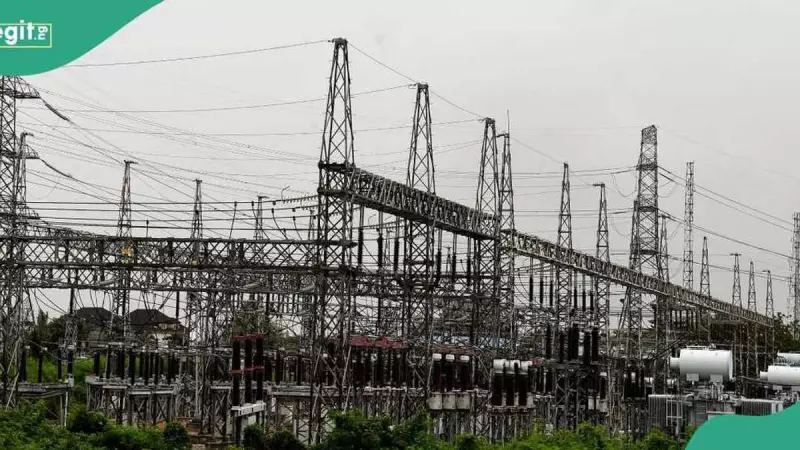
Nationwide Blackout Grips Nigeria Following National Grid Collapse
Nigeria was plunged into complete darkness on Friday as the national power grid suffered a catastrophic collapse, marking the first such nationwide blackout incident in the year 2026. The system failure occurred despite recent efforts to strengthen grid capacity and regional stabilisation initiatives, leaving millions of homes, businesses, and critical infrastructure without electricity supply.
Complete System Failure Across All Distribution Zones
Data obtained from the Nigerian Independent System Operator revealed that electricity generation plummeted to zero megawatts, triggering the nationwide power outage. Load allocation to all eleven electricity distribution companies across the country dropped to zero megawatts by approximately 1:00 PM, confirming a complete system failure across the national grid infrastructure.
The blackout affected all distribution companies nationwide including:
- Benin Electricity Distribution Company
- Eko Electricity Distribution Company
- Enugu Electricity Distribution Company
- Ikeja Electricity Distribution Company
- Jos Electricity Distribution Company
- Kaduna Electricity Distribution Company
- Kano Electricity Distribution Company
- Port Harcourt Electricity Distribution Company
- Ibadan Electricity Distribution Company
- Abuja Electricity Distribution Company
- Yola Electricity Distribution Company
Recurring Grid Failures Despite Recent Improvements
The latest collapse adds to a growing list of grid failures recorded in recent years, with multiple incidents occurring throughout 2025 alone. The most recent previous collapse happened on December 29, 2025, highlighting persistent challenges in Nigeria's power infrastructure despite various interventions and upgrade initiatives.
Energy sector experts have consistently warned that structural weaknesses, ageing infrastructure components, and inadequate maintenance practices continue to undermine the stability and reliability of the national grid system. These fundamental issues have persisted despite government efforts to improve transmission capacity and distribution efficiency across the country.
Recent Capacity Restoration Efforts Proved Insufficient
Just prior to Friday's collapse, the Niger Delta Power Holding Company had announced the restoration of an additional 450 megawatts to the national grid following scheduled maintenance completion at the Geregu National Integrated Power Project plant. This development had raised expectations of improved grid performance and enhanced electricity supply reliability across the nation.
The timing of Friday's nationwide blackout represents a significant setback to ongoing reform efforts within Nigeria's power sector, which has struggled with consistent electricity supply for decades despite numerous investment initiatives and policy interventions.
Regional Integration Initiatives Face Challenges
In November 2025, the Nigerian Independent System Operator disclosed its partnership with the West African Power Pool Information and Coordination Centre to conduct synchronisation tests between Nigeria's national grid and the wider West African power network. This regional initiative aimed to enhance grid stability and promote power integration across West African nations.
However, Friday's nationwide outage has starkly highlighted the continued fragility of Nigeria's electricity infrastructure, raising questions about the country's readiness for regional power integration while fundamental domestic grid stability issues remain unresolved.
As of the time of reporting, neither the Transmission Company of Nigeria nor other power sector authorities had issued official statements regarding the specific cause of the grid collapse or provided a clear timeline for complete power restoration across the country. The absence of immediate official communication has left citizens and businesses uncertain about when normal electricity supply might resume nationwide.




