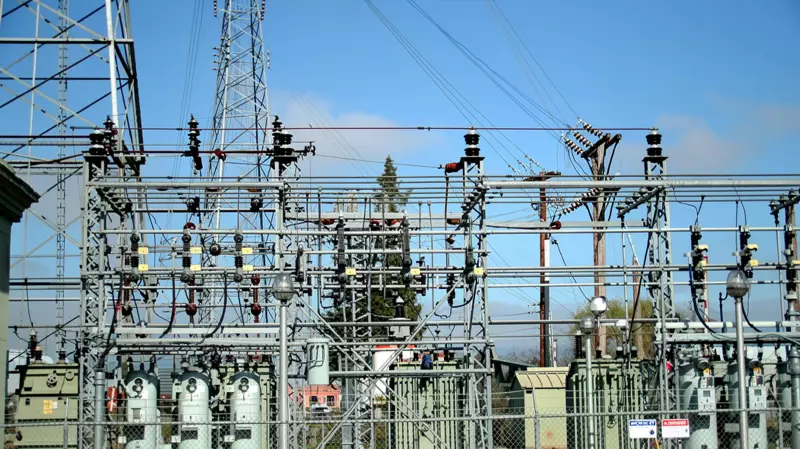
Nigeria's National Power Grid Suffers Another Major Collapse
Nigeria's electricity grid experienced a catastrophic collapse on Friday afternoon, plunging the entire nation into darkness. According to data from the Nigerian Independent System Operator, the system failure occurred at approximately 1 pm, when electricity allocation to all distribution companies across the country plummeted to zero.
Complete Shutdown of Power Generation
The grid operator's data revealed that power generation plunged dramatically to zero megawatts, triggering a total shutdown of electricity supply nationwide. A comprehensive review of the national distribution load profile at the time of the incident confirmed that all distribution companies recorded zero load, including major centers such as Abuja, Eko, Benin, Enugu, Ibadan, Ikeja, Jos, Kano, Kaduna, Port Harcourt and Yola.
This widespread outage followed earlier reports by grid operators indicating strong electricity demand in major urban centers throughout the morning. Before the catastrophic failure, Abuja Electricity Distribution Company (AEDC) was receiving approximately 639 megawatts, while Ikeja Electric had been allocated about 630 megawatts, reflecting the substantial power requirements across Nigeria's key metropolitan areas.
Dramatic Drop in Power Generation
Further checks conducted later in the afternoon showed that electricity generation experienced a sharp decline from over 4,500 megawatts to a mere 24 megawatts by about 1:30 pm. During this incident, all 23 power generation plants connected to the national grid reportedly lost their output completely, resulting in zero power allocation to each of the 11 electricity distribution companies operating throughout Nigeria.
As of the time of reporting, the Transmission Company of Nigeria (TCN), which manages the national grid infrastructure, had not yet disclosed the specific cause behind this latest collapse. Although restoration efforts were reportedly underway, the timeline for full recovery remained uncertain and unclear to both industry stakeholders and the general public.
Historical Context and Industry Concerns
This incident marks the first recorded collapse of Nigeria's national power grid in 2026, occurring barely weeks after a similar failure on December 29, 2025, which also resulted in widespread power outages across the country. In recent years, these recurrent grid collapses have been attributed to multiple factors including technical faults, inadequate maintenance of transmission infrastructure, and significant fluctuations in generation capacity.
Power sector stakeholders have consistently urged both government authorities and industry operators to strengthen contingency measures and implement more robust preventive strategies to avoid repeated system failures that disrupt economic activities and daily life nationwide. The frequency of these incidents continues to raise serious concerns about the stability and reliability of Nigeria's electricity infrastructure.