
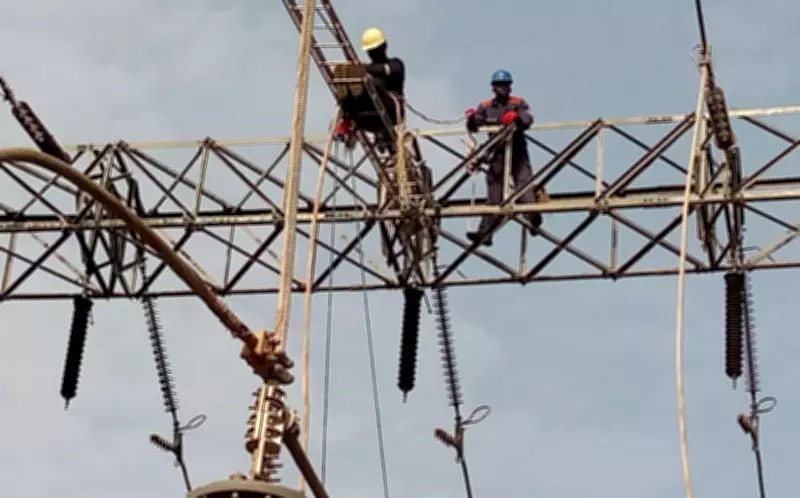
NISO to Strengthen Nigeria's Power Grid and Unbundle TCN, Says Energy Analyst
Energy analyst Samuel Caulcrick has highlighted the critical role of the newly established Nigerian Independent System Operator (NISO) in reforming Nigeria's power sector. Speaking to journalists in Lagos, Caulcrick emphasized that NISO, created under the Electricity Act 2023 by the Federal Government, will be instrumental in unbundling the Transmission Company of Nigeria (TCN) and enhancing the stability and efficiency of the national power grid.
Overseeing Supply Operations and Grid Stabilisation
Caulcrick explained that NISO will primarily manage electricity supply operations, including generation dispatch and grid stabilisation. This move aims to reduce the frequent network collapses that have long plagued consumers and businesses across Nigeria. By overseeing these aspects, NISO is expected to bring much-needed reliability to the power supply, addressing one of the sector's most persistent issues.
Broader Market Coordination and Demand-Side Management
In addition to supply-side management, Caulcrick noted that NISO is tasked with broader market coordination to ensure smoother interactions between generation, transmission, and distribution companies. He stressed that the success of NISO will depend not only on managing the supply side but also on effectively addressing the demand side of power consumption. "If NISO manages the supply side effectively, its success will depend on bridging this with effective demand-side management to establish a truly resilient system," Caulcrick said.
Addressing Non-Compliance with Wiring Standards
Caulcrick pointed out a persistent challenge in the energy sector: widespread non-compliance with electrical wiring standards in homes and businesses. He mentioned that poor installation practices by unqualified technicians often overstress the distribution network, leading to technical losses and unsafe conditions. To combat this, he advocated for strict licensing and certification of electricity technicians in line with the Nigerian Electricity Supply and Installation Standards (NESIS) Regulations 2015.
This measure, he argued, would help reduce technical losses, improve safety, and maintain a more stable municipal power supply. By ensuring that only qualified personnel handle installations, Nigeria can mitigate risks and enhance overall grid performance.
Potential for Major Turnaround in Electricity Services
Caulcrick maintained that if NISO succeeds in effectively linking supply-side management with regulated demand-side practices, Nigeria could see a major turnaround in the reliability of its electricity services. The Federal Government established NISO in 2025 as a key and separate entity responsible for managing the nation's electricity grid and market, following the unbundling of TCN. This strategic move is seen as a pivotal step towards achieving a more resilient and efficient power sector in Nigeria.




