
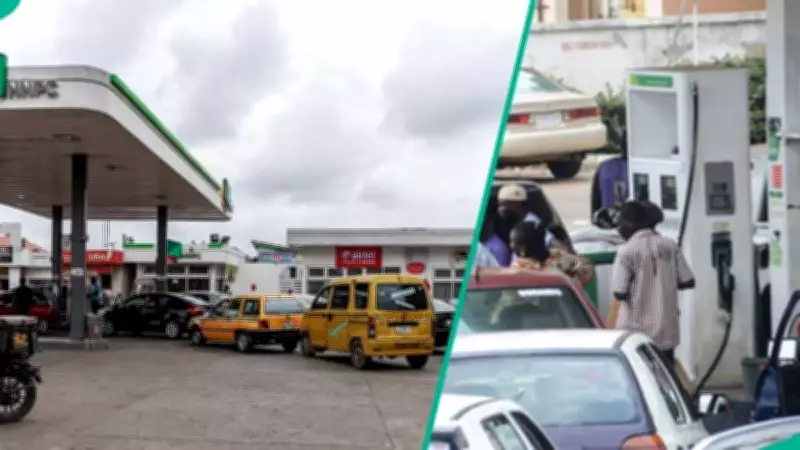
NNPC Announces Reduction in Petrol Prices Across Nigeria
The Nigerian National Petroleum Company Limited (NNPCL) has officially announced a reduction in petrol prices at its retail outlets nationwide, providing a brief respite for consumers grappling with high fuel costs. This move comes just three days after Dangote Refinery slashed its petrol gantry price by N85, setting a new benchmark at N1,200 per litre down from N1,285.
New Petrol Prices at NNPC Filling Stations
Checks by journalists reveal that petrol is now selling at N1,255 per litre at NNPC stations, a significant drop from the previous N1,330, representing a reduction of N75. In Abuja, the state-owned oil firm's filling stations have adjusted prices to N1,295 per litre from N1,361, marking a cut of N71 per litre. A pump attendant in the Egbeda area of Lagos, Kunle Ademola, confirmed the price reduction, stating, "Petrol prices were slashed over the weekends to N1,255, and it is the same in almost all outlets."
Further investigations show varying new prices across different states as of April 1, 2026:
- Lagos: N1,255
- Abuja: N1,295
- Anambra: N1,260
- Akwa Ibom: N1,280
- Bauchi: N1,335
- Osun: N1,280
- Delta: N1,290
Concerns Over Rising Crude Oil Prices
Despite the current price cut, there are growing fears that petrol costs could soon increase again due to rising crude oil prices. Reports indicate that crude oil has surged to $118 per barrel, nearing $120, sparking speculation that Dangote Refinery might adjust its prices upward. A source close to the matter commented, "We are watching the market, and once the movement is sustained, price will most likely move."
Industry insiders note that marketers have begun suspending sales in anticipation of a possible price change to avoid losses. This cautious approach follows signals that the refinery is closely monitoring global market trends before making any pricing decisions. The slowdown in depot activity, particularly in Lagos, highlights rising uncertainty, with many traders unwilling to sell at current rates. If Dangote proceeds with a price adjustment, it is expected to set the tone for new petrol prices at filling stations across the country.
Impact on Transportation and Economy
In related news, despite the fluctuating petrol prices, data from the National Bureau of Statistics shows that Nigerians are using train transportation less. The report indicates a 9.32% decline in rail passengers to 940,476 in the fourth quarter of 2025, down from 1,037,113 in the same period of 2024. Total revenue from passengers during this time stood at N1.6 billion, a 16.3% drop from the N1.92 billion recorded in the corresponding quarter of the previous year.
This petrol price reduction offers a temporary relief to consumers, but the volatile nature of global oil markets means that Nigerians should remain vigilant as further adjustments may be imminent based on crude oil price movements.




