
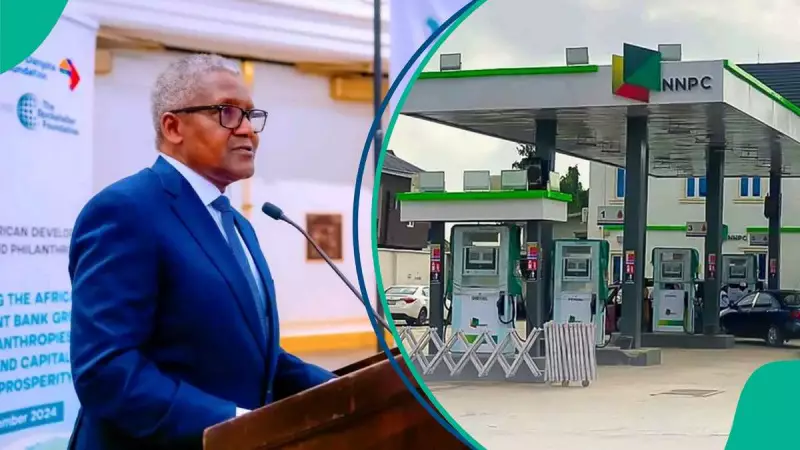
The Nigerian National Petroleum Company (NNPC) is currently facing significant difficulties in matching the petrol pricing offered by the Dangote Refinery, as it engages with various partners in the energy sector. This development has sparked concerns about the competitive dynamics within Nigeria's petroleum industry, which is crucial for the nation's economic stability and growth.
Challenges in Price Alignment
NNPC, as the state-owned oil corporation, is struggling to align its petrol prices with those set by the Dangote Refinery, a private sector giant that has recently commenced operations. The Dangote Refinery, located in Lagos, has introduced more competitive pricing structures, putting pressure on NNPC to review its strategies. This situation highlights the ongoing shifts in Nigeria's energy landscape, where private investments are beginning to challenge traditional state-controlled entities.
Impact on Partners and Market Dynamics
The struggle to match pricing is affecting NNPC's partnerships with other stakeholders in the petroleum supply chain. Partners, including distributors and retailers, are closely monitoring these developments, as price discrepancies could influence market share and profitability. The Dangote Refinery's ability to offer lower prices may attract more business, potentially reshaping the distribution networks and consumer choices in Nigeria's petrol market.
Economic and Sectoral Implications
This pricing challenge has broader implications for Nigeria's economy and energy sector. Petrol is a critical commodity in Nigeria, with pricing directly impacting inflation, transportation costs, and overall economic activity. If NNPC cannot effectively compete with the Dangote Refinery, it may lead to increased reliance on private refineries, altering the balance of power in the industry. This could also affect government revenue from petroleum sales and subsidies, which have been a contentious issue in recent years.
Future Outlook and Strategic Responses
Looking ahead, NNPC may need to adopt new strategies to address this pricing disparity. This could involve negotiating better terms with suppliers, improving operational efficiencies, or seeking policy support from the government. The Dangote Refinery's entry into the market is seen as a positive step towards reducing Nigeria's dependence on imported refined products, but it also introduces competitive pressures that NNPC must navigate carefully. Stakeholders are watching to see how this situation evolves, as it will likely influence investment decisions and regulatory frameworks in the energy sector.
In summary, the NNPC's struggle to match the Dangote Refinery's petrol pricing with partners underscores a pivotal moment in Nigeria's energy industry. As the country moves towards greater self-sufficiency in refining, the interplay between state and private players will be crucial in determining market outcomes and economic stability.




