
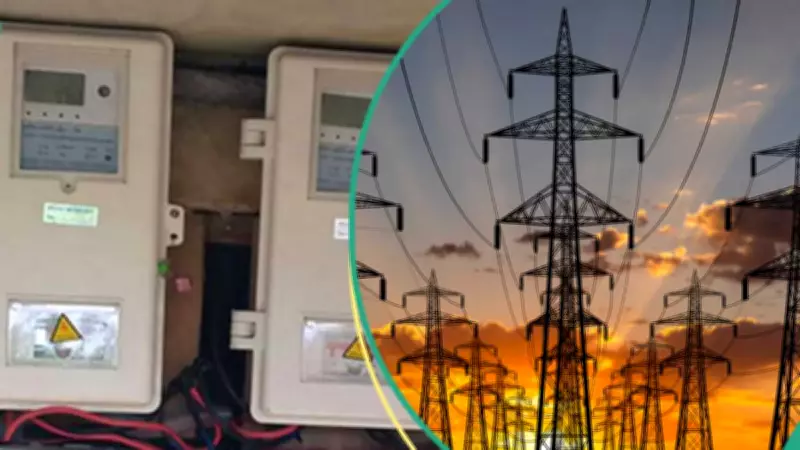
Seven Northern States Brace for Extended Power Outages Until May 2026
Electricity consumers across seven northern Nigerian states are preparing for several weeks of disrupted power supply following an official announcement from the Nigerian Independent System Operator (NISO). The planned outage on the critical Jos–Gombe 330kV transmission line is scheduled to run from April 9 to May 22, 2026, affecting millions of households and businesses in Plateau, Gombe, Bauchi, Borno, Adamawa, Taraba, and Yobe states.
Weekly Outage Schedule and Impact
The disruption will occur every Thursday through Sunday, from 9:00 a.m. to 6:00 p.m., throughout the entire six-week period. This extended outage schedule comes as a significant challenge for regions already grappling with inconsistent electricity supply, potentially affecting commercial activities, household routines, and essential services across the affected states.
Critical Infrastructure Upgrade
In its public notice, NISO explained that the outage is essential for installing Optical Ground Wire (OPGW) fibre optic infrastructure along the Jos–Gombe transmission corridor. This major upgrade forms part of broader national efforts to modernize Nigeria's aging power grid and address long-standing infrastructure challenges that have plagued the country's electricity sector for decades.
Expected Benefits of the Upgrade
The project aims to significantly enhance key grid operations by improving several critical systems:
- SCADA Systems: Enhanced Supervisory Control and Data Acquisition capabilities
- Energy Management: More sophisticated Energy Management Systems (EMS)
- Telecommunications: Strengthened telecommunications backbone for power system operations
Once completed, the OPGW installation is expected to deliver substantial benefits including stronger real-time monitoring, faster fault detection, improved load balancing, and overall enhanced energy delivery across the northern region. NISO emphasized that these enhancements will lead to improved electricity supply quality and reliability, better grid coordination and load management, quicker restoration after faults, greater system stability, and more effective integration of generation and load data.
Alternative Supply Arrangements and Limitations
During the outage windows, supply to affected areas will continue through available 132kV transmission lines. However, NISO acknowledged significant limitations, noting that network constraints and limited capacity on these backup routes mean consumers should anticipate reduced power availability and possible service interruptions. The operator stressed that redundancy and capacity issues in Nigeria's transmission network often cause disruptions during major upgrades, but emphasized that the temporary inconvenience paves the way for long-term gains in grid intelligence and operational efficiency.
Collaborative Efforts to Minimize Disruption
The agency is collaborating closely with multiple stakeholders including Jos Electricity Distribution Company, Yola Electricity Distribution Company, and the Transmission Company of Nigeria (TCN). These collaborative efforts focus on managing outages across feeders, distribution substations, and customer clusters within the stipulated timeframe to minimize the impact on consumers.
NISO appealed for public understanding, stating: "We sincerely apologize for any inconvenience this may cause and appreciate your understanding and cooperation as we work to deliver a more reliable and efficient power supply to the affected states."
Broader Context in Nigeria's Power Sector
This development underscores persistent challenges in Nigeria's power transmission infrastructure, where frequent grid instability, system collapses, and limited operational visibility have long plagued the sector. Upgrades involving fibre optics, SCADA systems, and advanced energy management are increasingly vital as Nigeria seeks to expand generation capacity and improve delivery, particularly in underserved North-East regions that have historically faced electricity challenges.
While the outages represent short-term hardship for residents already facing electricity reliability issues, successful completion of the Jos–Gombe upgrade could mark a meaningful step toward a more resilient and responsive national grid. For now, affected consumers are advised to plan accordingly and explore alternative power sources during the specified outage windows as Nigeria continues its journey toward improved electricity infrastructure and more reliable power supply nationwide.




