
Group Warns Tinubu: Petrol Import Approvals Could Undermine Nigeria's Refining Push
In a statement issued on Sunday in Abuja, the Energy Transparency and Market Justice Initiative (ETMJI) has raised significant concerns regarding recent approvals granted by the Nigerian Midstream and Downstream Petroleum Regulatory Authority (NMDPRA). The group cautioned that these decisions, if not meticulously managed, could lead to unintended economic consequences that may derail Nigeria's ongoing efforts to boost local refining capacity.
Critical Stage in Energy Transition
Salako Kareem, President of ETMJI, emphasized that Nigeria is currently at a pivotal juncture in its energy transition. He stressed that the policy choices made at this moment will be decisive in determining whether the country can finally break free from its decades-long dependence on imported refined petroleum products. Kareem acknowledged the regulator's crucial role in ensuring adequate fuel supply but issued a stark warning: expanding import permissions at this critical stage could weaken the necessary policy direction required to stimulate local refining capacity and secure long-term stability within the petroleum sector.
Long-Term Economic Consequences
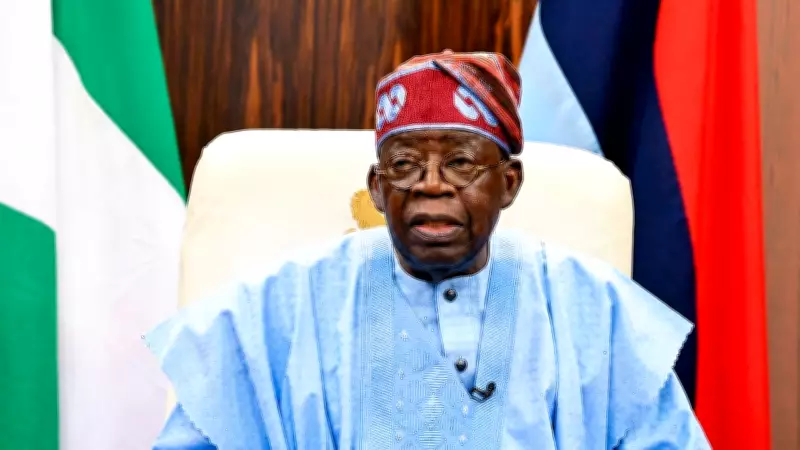
"Our respectful appeal to President Bola Ahmed Tinubu is that decisions concerning petrol importation must be carefully weighed against their long-term economic consequences," Kareem stated. He highlighted the longstanding paradox Nigeria faces as a major crude oil producer that remains heavily reliant on imported refined products. "Any policy action that appears to reopen the floodgates of importation may slow down the progress already made toward strengthening domestic refining capacity," he added, underscoring the risk of reversing hard-won gains.
Pressure on Foreign Exchange Reserves
Kareem further warned that increased petrol imports could exert additional pressure on Nigeria's foreign exchange reserves, particularly during a period when the government is pursuing challenging economic reforms aimed at stabilizing the naira and restoring fiscal discipline. "For many years, Nigeria has lost enormous volumes of foreign exchange importing petroleum products that could ideally be refined locally," he explained. "If import volumes begin to rise again, demand for foreign currency will inevitably increase. This could place renewed strain on the naira and undermine the broader economic stabilization programme currently being pursued."
Risks of Product Dumping and Quality Control
The group also cautioned that excessive reliance on imported petrol could create opportunities for product dumping and the entry of substandard fuel into the Nigerian market. According to Kareem, Nigeria's downstream petroleum sector has historically struggled with quality control issues whenever importation becomes widespread, largely because imported fuel often passes through multiple intermediaries before reaching domestic depots. "One of the lessons from the past is that when imports dominate the supply chain, the market can become vulnerable to the dumping of inferior petroleum products," he said. "This not only creates regulatory complications but also exposes Nigerian consumers to fuels that may damage vehicles, affect industrial machinery, and impose hidden economic costs on the country."
Strengthening Domestic Supply Chains
Kareem added that encouraging domestic refining and strengthening local supply chains would improve product traceability while enhancing transparency in the downstream market. He clarified that the group's intervention should not be interpreted as criticism of the NMDPRA, noting that regulators often face complex decisions in ensuring fuel supply stability in a volatile global energy market. However, he stressed that short-term supply management must not undermine long-term national objectives in the petroleum sector. "We recognise that the regulator has the responsibility to ensure Nigerians do not experience fuel shortages, and that duty is extremely important," he concluded, urging a balanced approach that prioritizes sustainable energy independence.




