
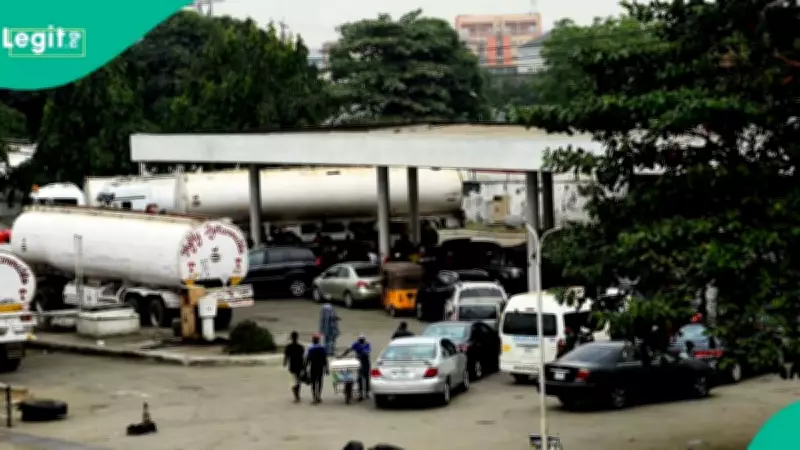
Petrol Prices Drop at NNPC and Other Stations Amid Global Oil Market Shifts
Petrol prices have been reduced at NNPC Limited retail outlets and various other filling stations across Nigeria, providing some relief to motorists who have been grappling with the ongoing volatility in global crude oil markets. This development comes as a welcome change after months of fluctuating pump prices that have strained household budgets and business operations nationwide.
New Petrol Price Benchmarks Emerge
Checks at multiple stations in key urban centers such as Lagos and Abuja indicate a downward adjustment, with prices now falling below N1,300 per litre in many locations. In some instances, petrol is being sold at rates even lower than the NNPC benchmark, signaling a competitive shift in the retail fuel market. For example, Ardova in the Egebeda area of Lagos is now selling petrol at N1,257 per litre, down from a previous rate of N1,330. Similarly, other major outlets like First Royal, Heyden, and Mobil are also offering petrol below the N1,300 threshold.
NNPC Adjusts Prices Nationwide
NNPC Limited has implemented significant price reductions at its retail outlets. In Lagos, the corporation is now selling petrol at N1,255 per litre, a decrease of N75 from the earlier price of N1,330. In Abuja, prices have been lowered to N1,295 per litre from N1,361, representing a cut of N71 per litre. These adjustments reflect NNPC's responsiveness to broader market dynamics and its commitment to providing affordable fuel to Nigerian consumers.
Global Factors Driving Price Changes
The recent drop in petrol prices is closely tied to fluctuations in global crude oil prices, which have been heavily influenced by geopolitical tensions involving Iran and the United States. Energy analyst Ademola Ajayi explained to Legit.ng that the actions of U.S. President Donald Trump have been a key determinant. "Oil prices now reflect the actions of U.S. President Donald Trump toward Iran. When he signals a cooling of tensions, prices tend to fall; when he suggests the possibility of an attack, oil prices rise," Ajayi noted.
This sentiment was echoed in market reactions, where oil prices briefly dipped below $100 per barrel ahead of a key speech, only to jump by nearly 7% when Trump's address showed no signs of de-escalation. Nigerian fuel marketers are closely monitoring these developments, adjusting their pricing strategies based on crude oil movements and the evolving situation in the Middle East.
Dangote Refinery's Impact on the Market
A significant factor contributing to the price reduction is the decision by Dangote Refinery to lower its petrol gantry price by N85 to N1,200 per litre, down from N1,285. This move has emboldened other filling stations to follow suit, creating a ripple effect across the industry. The refinery has also issued a warning about the risks of continued reliance on coastal delivery of petroleum products, which could push petrol prices close to N1,000 per litre if not addressed.
In a statement, Dangote Refinery emphasized that gantry loading remains the most efficient and cost-effective method for maintaining price stability. The company highlighted its substantial investments in infrastructure, including a 91-bay gantry facility capable of loading up to 2,900 tankers daily and evacuating millions of litres of fuel around the clock.
Industry Outlook and Caution
Despite the current price drop, industry observers caution that this may not necessarily indicate a long-term downward trend. Petrol prices in Nigeria remain highly sensitive to exchange rate fluctuations and ongoing global crude oil market dynamics. The situation underscores the interconnectedness of local fuel prices with international geopolitical events and economic policies.
As Nigerian consumers enjoy this temporary relief, stakeholders in the energy sector continue to advocate for sustainable solutions that can insulate the domestic market from external shocks. The recent adjustments by NNPC and other marketers highlight the importance of adaptive pricing strategies in a volatile global environment.




