
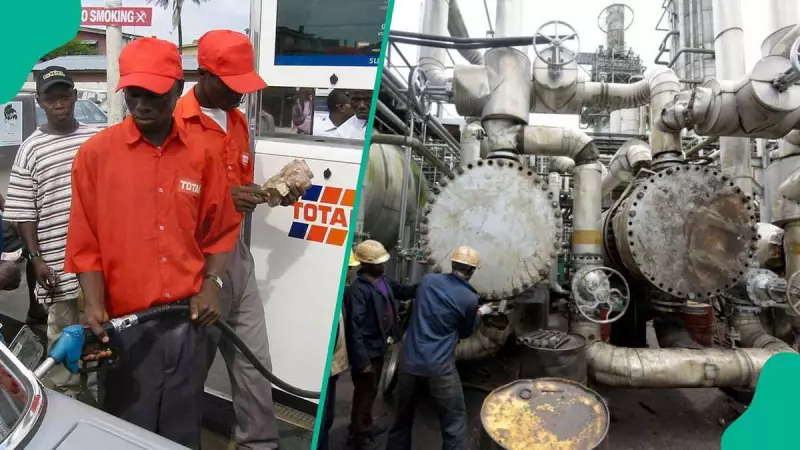
Domestic oil refiners in Nigeria have expressed strong confidence that locally produced petrol could dramatically reduce the country's heavy reliance on fuel imports by 2026. However, they emphasize that this potential can only be realized if critical operational challenges, particularly concerning crude oil supply, are effectively addressed by the government and relevant authorities.
Refining Capacity Versus Import Dominance
The Crude Oil Refiners Association of Nigeria (CORAN) has stated that its members, which include the massive Dangote Petroleum Refinery, possess sufficient installed refining capacity to meet national fuel demand. This assertion comes despite the stark reality that imported petrol still dominated the Nigerian market in 2025.
According to data from the Nigerian Midstream and Downstream Petroleum Regulatory Authority (NMDPRA), imported petrol accounted for approximately 62.47% of the country's total consumption last year. Nigerians consumed roughly 18.97 billion litres of petrol in 2025, with oil marketing companies importing about 11.85 billion litres. Domestic refineries supplied only about 7.54 billion litres, representing just over 37% of total demand.
Addressing the Core Challenge: Crude Oil Feedstock
CORAN's Publicity Secretary, Eche Idoko, explained that the current data does not reflect Nigeria's full refining potential. He clarified that most local refineries are operating significantly below their designed capacity due to limited and inconsistent access to crude oil feedstock, not because of technical limitations or lack of capability.
Idoko provided a compelling comparison: while the Dangote refinery is currently producing about 50 million litres of petrol daily, Nigeria's peak daily consumption is estimated at around 54 million litres. This narrow gap indicates that with proper support, domestic production could realistically meet national demand.
The association further noted that some refineries have been forced to scale back operations or shut down temporarily due to feedstock shortages. Others under construction have faced delays as financiers seek assurances of long-term crude supply availability before committing further resources.
Proposed Solutions and Government Appeal
CORAN has outlined several key measures that could enable local refineries to outperform fuel imports in the coming year:
- Addressing crude oil supply constraints through improved allocation and logistics
- Providing targeted funding support for refinery infrastructure
- Creating a dedicated refinery infrastructure development fund, similar to existing incentives in the gas sector
- Implementing more comprehensive data collection methods by the NMDPRA
The association specifically urged the regulatory authority to capture refinery stock levels and production volumes more accurately, rather than relying solely on truck-out figures, to better reflect true domestic supply capacity.
Recent Consumption Trends and Production Gains
Recent data shows some positive developments in Nigeria's fuel landscape. Petrol consumption dropped to 52.9 million litres daily in November 2025, down from 56.74 million litres recorded in October, indicating a decline in national fuel demand.
Simultaneously, domestic refinery contributions increased during this period. Local refineries delivered an average of 19.5 million litres per day in November, compared to 17.08 million litres in October, demonstrating growing production capacity despite ongoing challenges.
Sources at the Dangote refinery maintain that the facility has enough fuel to meet local demand while exporting excess volumes, provided regulatory processes remain transparent and supportive of domestic production efforts.
The refining sector's appeal for government intervention represents a crucial moment for Nigeria's energy independence. With proper support addressing feedstock and funding issues, 2026 could mark a significant turning point in reducing the country's dependence on imported petrol and strengthening its domestic refining industry.




