
At the ongoing COP30 UN Climate Change Conference in Belem, Brazil, Russia's lead negotiator has delivered a stark warning, stating that the global population will face suffering if the world abandons fossil fuels. Vladimir Uskov, in an exclusive interview with AFP, defended the continued use of oil and gas while sharply criticising developed nations for failing to meet their financial commitments to combat climate change.
Defending the Energy Mix for Development
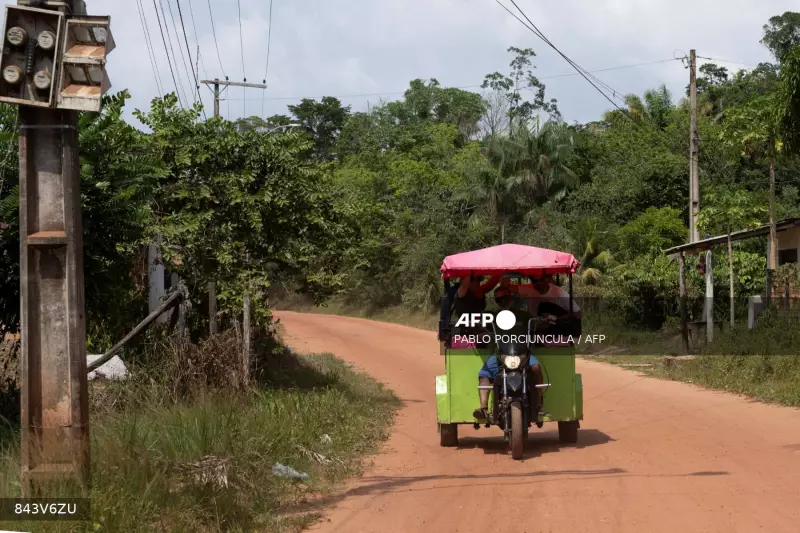
Uskov argued that the push to phase out fossil fuels is a luxury of developed nations that does not consider the reality for millions in developing countries. He pointed to cities like Belem, the host city on the edge of the Amazon, where access to basic electricity and food remains a challenge for many. "We cannot say that we need to develop solar or wind but we don't have the basics," Uskov stated. He emphasised that a mix of energy sources, including transitional fuels like natural gas, nuclear energy, and even fossil fuels, is essential.
"If we start living without fossil fuels, even people in France will suffer, believe me," he added, challenging the one-size-fits-all approach to renewable energy. He illustrated his point by stating, "I cannot, unfortunately, rely on solar in Siberia, but people live there in Siberia."
Broken Promises and a Lack of Trust
A significant portion of Uskov's criticism was directed at traditional donor nations. He accused them of not fulfilling their obligations on climate finance and technology transfer, which has created a deep-seated lack of trust. He highlighted that developed nations ask countries like Brazil to cut emissions with promises of support that "never happened."
This sentiment extends to issues of trade, where Uskov condemned what he called "illegal" trade barriers, specifically citing the European Union. He argued that such actions, combined with unfulfilled financial promises, undermine the global climate effort.
Russia's Position and Geopolitical Pressures
When questioned about Russia's own commitments to reducing emissions through its Nationally Determined Contribution (NDC), Uskov pointed to external pressures. He claimed that Russia is subjected to "enormous pressure of illegal limitations" that hinder financial flows and technology transfer. Despite this, he stated that Russia has presented an ambitious NDC, unlike some "bigger actors" whom he did not name.
Uskov expressed a conditional willingness to increase Russia's climate ambition, but only if there is "fair trade, free financial flows, and if the geopolitical situation allows." The Russian delegation at the talks, according to a UN list, consists of 80 participants. Russia is the world's fifth-largest emitter of greenhouse gases, trailing China, the United States, India, and the European Union.
Regarding the prospects of the COP30 conference itself, Uskov praised the Brazilian presidency but remained realistic. He suggested that achieving historic results in the current turbulent political climate of 2025 is unlikely, but that making technical steps forward is a significant accomplishment.




