Serbia's Oil Crisis Deepens as Sanctions Bite
Serbian President Aleksandar Vučić has declared his intention to prevent the confiscation of Russian shares in the country's major oil company, NIS, at all costs. This urgent statement came during an emergency government meeting convened in response to escalating pressure from United States sanctions.
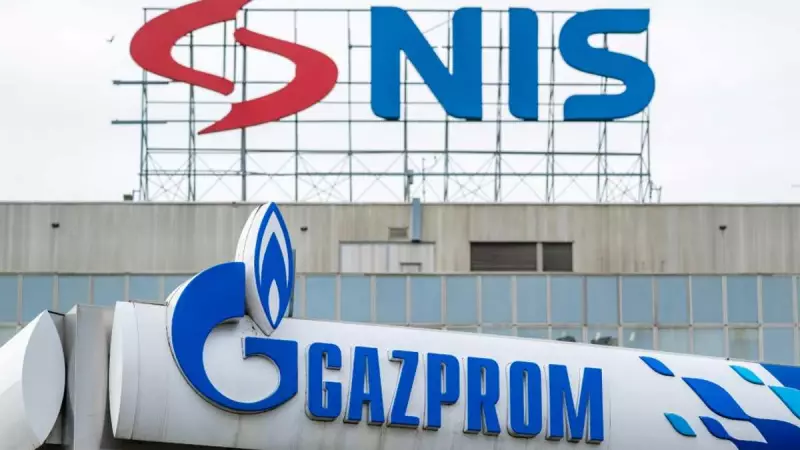
The Petroleum Industry of Serbia (NIS), which is predominantly Russian-owned, faces severe operational challenges after Washington imposed sanctions targeting Russia's energy sector. These measures represent part of the broader international response to Moscow's invasion of Ukraine in 2022.
Immediate Threat to Serbia's Energy Supply
The practical consequences of these sanctions are already materializing. According to company representatives, NIS will exhaust its crude oil reserves after November 25. This deadline creates an imminent threat of shutdown for Serbia's sole oil refinery, potentially triggering a severe energy crisis as winter approaches.
Analysts monitoring the situation warn that Serbia stands on the brink of this energy emergency. The country had previously negotiated several postponements, but the US Treasury Department began enforcing sanctions on October 9. American authorities have now delivered a clear ultimatum: all Russian shareholders must completely exit NIS for the sanctions to be lifted.
Diplomatic Tightrope for Serbia
This situation places Serbia in a particularly difficult position. As a candidate for European Union membership, the country finds itself navigating complex international relations. Serbia remains one of the few European nations that has not imposed its own sanctions on Russia following the invasion of Ukraine.
President Vučić explicitly stated his government's position during the emergency meeting. "I want us to avoid at all costs confiscation, nationalisation or seizure of property... We do not want to take anything from anyone," he emphasized. He further stressed the need to "exhaust all possibilities before committing to a takeover process or anything else."
The Serbian leader has set a tight deadline for resolving the crisis, declaring that "We need to have a solution by next Sunday" and promising a decisive government response.
Ownership Structure and Ongoing Negotiations
The ownership of NIS reveals why the company is central to this geopolitical dispute. Gazprom Neft, a subsidiary of Russian energy giant Gazprom, holds a 45% stake in NIS and is directly targeted by US sanctions. In a significant ownership shift this past September, Gazprom transferred its additional 11.3% stake in NIS to another Russian entity named Intelligence.
The Serbian government maintains a substantial interest, holding nearly 30% of the company, with the remainder belonging to minority shareholders.
President Vučić confirmed that negotiations are actively underway. Russian stakeholders are currently discussing a potential sale of their NIS shares with what he described as "Asian and European partners," though he refrained from identifying the specific companies involved.
The core problem remains the procurement of supplies. Since the sanctions took full effect, NIS has been unable to secure new crude oil deliveries, leading directly to the projected supply exhaustion in late November and placing Serbia's energy security in jeopardy.