
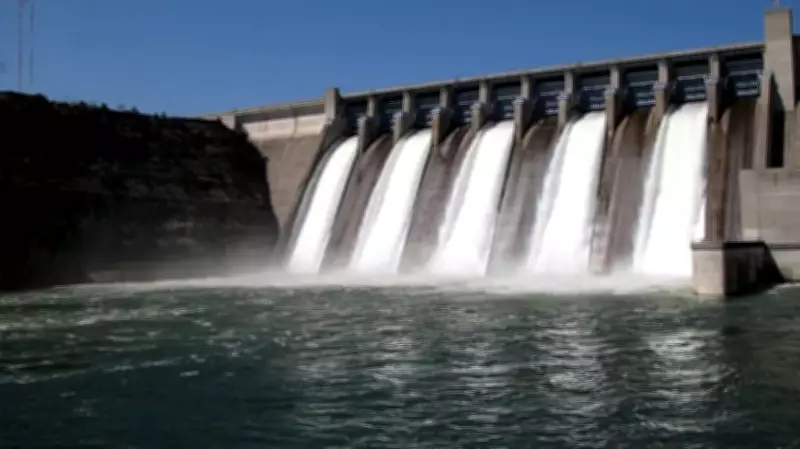
The Shiroro Story: When Contingency Becomes the Real Plan
In a previous analysis, the structural mechanics of Nigeria's annual electricity stress season were established, highlighting the collision of peak cooling demand and reduced hydro output in a system lacking reserve capacity. This paper narrows the focus to a single critical asset: the Shiroro Hydroelectric Power Station on the Kaduna River. By examining this facility, we uncover a failure that is both specific and revealing, shedding light on deeper systemic issues in Nigeria's power sector.
Shiroro's Intended Role: A Strategic Reserve
Commissioned in 1990 with an installed capacity of 600 megawatts and a reservoir holding approximately seven billion cubic meters of water, Shiroro was not designed for continuous generation. Instead, it was conceived as a peaking and reserve plant within Nigeria's power system architecture. This distinction is crucial: baseload plants run steadily to provide constant energy, while peaking plants remain idle during normal periods, conserving resources to dispatch rapidly during demand spikes or system failures.
Hydroelectric plants like Shiroro are ideal for peaking duty due to their ability to ramp up output within minutes, regulate grid frequency and voltage, and perform black-start functions to restart the grid after collapses. Shiroro was specifically engineered to offer quick-response peak-load supply, frequency regulation, spinning reserves, and the capability to supply Abuja independently if the main grid failed. Its reservoir acted as a stored energy battery, valuable only if not discharged prematurely.
In the original design, large gas-fired thermal plants were to handle continuous baseload, with Kainji and Jebba hydro plants managing mid-demand levels. Shiroro was to be held in reserve, ready for moments of maximum system stress. This architecture depended on reliable thermal baseload capacity to free Shiroro for its strategic role.
Systemic Inversion: The Unraveling of Design Logic
Nigeria's power system did not evolve as planned. Chronic underperformance of thermal baseload plants, driven by gas supply disruptions, pipeline vandalism, insufficient infrastructure, and payment arrears, led to a progressive inversion of the portfolio hierarchy. Instead of gas plants carrying continuous load, hydro stations became the de facto baseload due to their reliability and near-zero fuel costs.
System operators, under pressure to maximize generation amid chronic supply deficits, leaned on what worked: hydro plants. Merit-order economics reinforced this, as hydro's low variable cost made it the priority for dispatch. Consequently, Shiroro, designed for partial and strategic use, found itself operating continuously year-round, depleting its reservoir and undermining its reserve function.
Operational Drift and Seasonal Consequences
Power system engineers refer to this shift as operational drift, where infrastructure is repurposed not by design but through systemic failure. For Shiroro, this has acute consequences during the February–April stress window. Designed to conserve water through low-demand periods, the plant now draws down its reservoir continuously during the dry season, entering peak stress periods with depleted reserves.
This mismanagement means the seasonal crisis is not solely due to natural hydrology but is partly self-inflicted through operational decisions. The February–April period combines high cooling demand, reduced hydro inflows, and Shiroro's inability to perform as a reserve, leading to grid instability and unplanned outages as the system's only balancing mechanism.
Portfolio Incoherence and Systemic Failure
The Shiroro story is symptomatic of a deeper issue: the loss of systemic architecture in Nigeria's generation portfolio. Plants were originally assigned roles that made engineering and economic sense as an integrated system. However, decades of underinvestment in thermal capacity, gas supply failures, and infrastructure deterioration have scrambled this logic.
Shiroro's misuse results from portfolio incoherence, where the plant operates outside its design envelope because the surrounding system has collapsed. This reframing highlights that Nigeria's electricity crisis is not just about underinvestment in individual plants but about rebuilding the systemic architecture that gives them value.
Historical Irony and Neglect
Ironically, Shiroro was built in 1990 as a direct response to the seasonal vulnerabilities of Nigeria's hydro-dependent grid, with planners aware of the need for a fast-response reserve asset. Today, that solution has been dismantled not by policy choice but through the accumulated pressure of a failing system. The thermal baseload meant to support Shiroro never materialized reliably, forcing the plant into a workhorse role.
Current management appears indifferent to Shiroro's design logic, with little evidence of reservoir protocols calibrated to hydrological cycles or seasonal demand. Dispatch decisions prioritize immediate availability over strategic conservation, a short-run survival strategy that undermines long-term asset value.
Looking Ahead: The Need for Genuine Recovery
This analysis diagnoses why Nigeria's electricity crisis is consistently worse than meteorology and hydrology alone would predict, revealing how the system's own design solutions have been undone. The remedy requires addressing portfolio incoherence and operational mismanagement, not merely adding megawatts. Rebuilding the architectural logic of the power sector is essential for sustainable recovery, a topic to be explored in the final paper of this series.




