
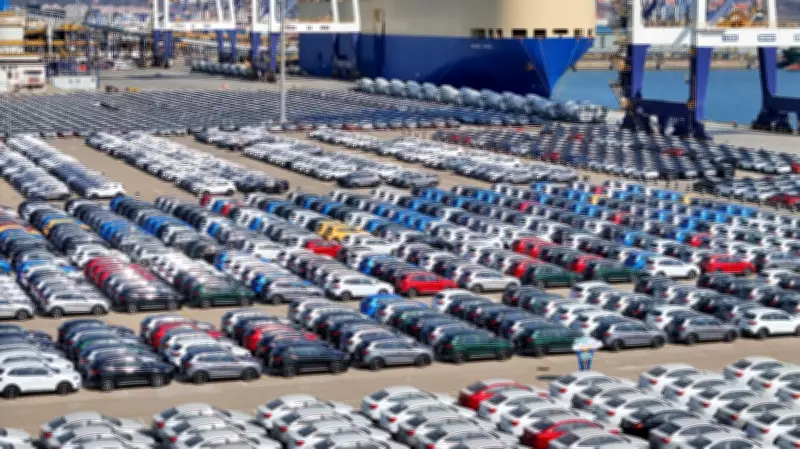
Industry stakeholders have expressed concern over the federal government's decision to waive import duties on electric vehicles, mass-transit buses, and selected machinery. Experts warn that this move could have unintended consequences for Nigeria's fragile automotive sector.
Impact on Local Assembly
The Managing Partner of Transtech Industrial Consulting, Luqman Mamudu, described the tariff differential as a core pillar of the Nigeria Automotive Industry Development Plan (NAIDP), designed to give locally assembled vehicles a cost advantage over fully built imports. He stated that adjusting this structure, despite good intentions, must be handled with caution. Mamudu noted that many vehicle-exporting countries heavily subsidize their automotive industries, meaning lower tariffs in Nigeria could quickly tilt the market back in favor of imports, especially as key NAIDP support programs remain only partially implemented.
Mamudu also challenged the notion that tariffs are the main driver of high vehicle prices in Nigeria. He pointed to structural pressures, including exchange-rate depreciation, forex scarcity, port and logistics charges, inflation, and rising global vehicle costs, as dominant factors shaping vehicle pricing. Referring to the Finance Act 2020, he observed that the earlier removal of tariff incentives for commercial vehicle assembly failed to deliver sustained price reductions and instead led to a contraction in local assembly, as operators reverted to full importation. He argued that this outcome should guide current policy decisions.
Need for Policy Consistency
While acknowledging government efforts to balance affordability with industrial growth, Mamudu warned that weakening protective measures for local assembly could reverse modest gains achieved over the past decade. He added that industry groups, such as the Nigerian Automotive Manufacturers Association (NAMA), must intensify advocacy to ensure policymaking reflects operational realities. Despite these concerns, he maintained that Nigeria's long-term fundamentals remain strong, particularly within the African Continental Free Trade Area (AfCFTA), which offers significant opportunities for regionally competitive production.
Femi Eguaikhide, Deputy Managing Director of RT Briscoe and Chairman of the LCCI Auto and Allied Sector Group, described the development as indicative of policy inconsistency, especially in light of earlier efforts to promote local manufacturing. He clarified that prevailing tariff assumptions may be misleading, noting that the 35 percent levy had already been suspended at the start of the current administration. He also stressed that the new tariff adjustments cannot take effect until formally gazetted by the government.
Eguaikhide emphasized that the situation underscores the urgent need to enact Nigeria's automotive policy into law to ensure stability and boost investor confidence. Without this, manufacturers may be reluctant to commit to local production, particularly because reduced tariffs make imported vehicles more price-competitive.




