
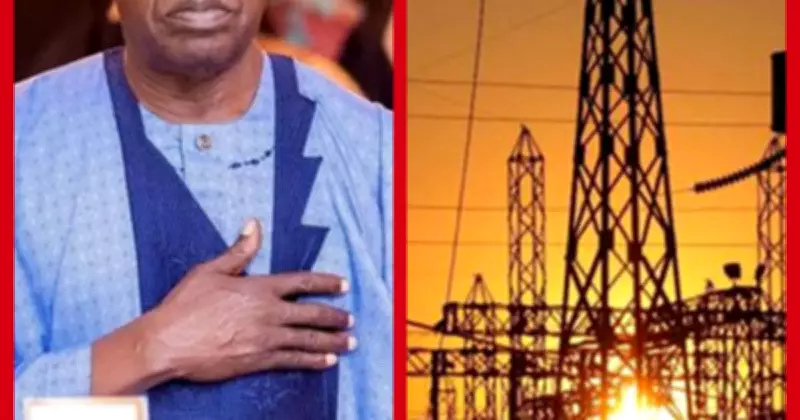
President Tinubu Greenlights Major Power Sector Debt Resolution
President Bola Tinubu has authorized a sweeping ₦3.3 trillion financial plan aimed at settling long-standing liabilities within Nigeria's electricity sector. This decisive move comes as the government seeks to stabilize the nation's fragile power market and restore confidence among investors and stakeholders.
Implementation Already Underway with Significant Progress
The presidential spokesperson and Special Advisor, Bayo Onanuga, confirmed in an official statement that implementation has commenced at scale. To date, fifteen power generation companies have signed settlement agreements valued at ₦2.3 trillion, representing a substantial portion of the total debt burden.
Funding for the initiative has been secured through bond issuances, with ₦501 billion already raised and ₦223 billion disbursed to beneficiaries. Additional payments are currently in progress as part of the phased rollout strategy.
Addressing a Decade of Accumulated Liabilities
The approved ₦3.3 trillion figure represents what the presidency describes as a "full and final settlement" for debts that accumulated over a ten-year period from February 2015 to March 2025. These liabilities stem from multiple sources including underpayments to power generation companies, tariff shortfalls, and persistent inefficiencies across the entire electricity value chain.
This debt burden has long constrained the sector's operations, with generation companies repeatedly warning of potential shutdowns due to unpaid invoices and escalating operational costs. The resulting financial strain has limited critical investment, exacerbated infrastructure gaps, and contributed to erratic electricity supply, frequent grid collapses, and continued reliance on expensive alternatives like diesel generators and solar inverters.
Labor Opposition and Reform Context
The approval follows months of controversy and pushback from organized labor. In February, the Nigeria Labour Congress strongly criticized reports that power generation companies were seeking up to ₦6 trillion in government intervention, characterizing such requests as unjustified bailouts under the guise of sector reforms.
NLC President Joe Ajaero argued that privatization has failed to deliver improved power supply or increased generation capacity, questioning why assets acquired for approximately ₦400 billion during privatization now require trillions in funding with minimal output improvements. "This is not economics; this is plunder. They call it business, but we call it a heist," Ajaero stated during the earlier debate.
Comprehensive Reform Approach and Future Prospects
This initiative forms part of the broader Presidential Power Sector Financial Reforms Programme designed to address systemic challenges. While Nigeria has seen similar interventions in the past with limited long-term impact, the Tinubu administration asserts this approach is more comprehensive and sustainable.
A second phase of the reform program, designated as Series II, is expected to launch later this quarter. The ultimate success of the ₦3.3 trillion plan will depend less on the announcement itself and more on whether the underlying reforms are consistently implemented and maintained over time.
If effectively executed, this debt settlement could lead to more stable electricity supply, reduced grid collapses, and broader economic improvements across multiple sectors that depend on reliable power infrastructure.




