
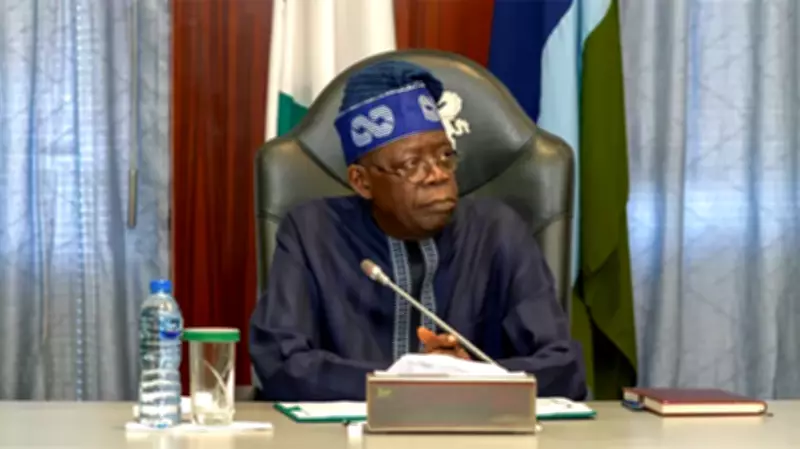
Tinubu Approves N3.3 Trillion Power Sector Debt Settlement to End Grid Crisis
President Bola Ahmed Tinubu has given his official approval for a comprehensive N3.3 trillion payment plan designed to settle outstanding debts in Nigeria's electricity sector. This strategic move is aimed at stabilizing power generation and significantly improving electricity supply across the entire nation.
Implementation Underway with Major Agreements Signed
According to a detailed statement issued by Special Adviser to the President on Information and Strategy, Bayo Onanuga, the implementation of this ambitious plan has already commenced. In a significant development, 15 power plants have signed settlement agreements totaling N2.3 trillion as part of this initiative.
The Federal Government has successfully raised N501 billion specifically to fund these disbursements. Of this amount, N223 billion has already been released to beneficiaries, with further payments currently ongoing to ensure timely settlement of obligations.
Addressing Legacy Debt Accumulation
The settlement plan specifically covers legacy debts that accumulated between February 2015 and March 2025. This follows a final review conducted under the Presidential Power Sector Financial Reforms Programme, which determined N3.3 trillion as the full and final settlement amount after thorough verification processes.
For years, Nigeria's power industry has been plagued by severe financial stress. Chronic under-payment of invoices by Distribution Companies (DisCos) and persistently low tariff remittances have created deep liquidity shortages for Generation Companies (GenCos). This forced the central trading entity, Nigerian Bulk Electricity Trading Plc (NBET), to rely on expensive commercial credit to make partial settlements, further complicating the financial landscape.
Subsidy Challenges and Historical Disputes
Compounding these financial difficulties, ongoing government subsidy obligations eclipsed payments in 2025, with only an estimated 39 percent of GenCos' invoices being settled. During this period, unfunded subsidies ballooned to approximately N1.85 trillion, creating additional strain on the system.
Earlier disputes between the Federal Government and GenCos regarding the true size of outstanding liabilities highlighted the complex nature of reconciling historical claims. Public reports had ranged from N2.8 trillion to N4 trillion, reflecting different reporting frameworks and assessment methodologies that needed alignment.
Strengthening the Electricity Value Chain
It was noted that the release of these substantial funds will strengthen the entire electricity value chain. This financial injection will allow power plants to operate more reliably, ensure gas suppliers receive timely payments for their services, and ultimately improve electricity supply to homes, businesses, and industrial facilities throughout Nigeria.
The Special Adviser on Energy to President Tinubu, Olu Arowolo-Verheijen, provided additional context, explaining that this debt settlement programme represents part of a broader set of reforms already underway. These comprehensive reforms include better metering systems and service-based tariffs that directly link what consumers pay to the quality of electricity they receive.
Commendation and Future Plans
President Tinubu personally commended all stakeholders who contributed to resolving these legacy issues in Nigeria's power sector. He confirmed that the next phase of the programme, designated as Series II, will begin this quarter, indicating continued commitment to power sector reform and financial stabilization.
This landmark debt settlement initiative represents a significant step toward addressing systemic financial challenges that have hampered Nigeria's electricity sector for years. By providing much-needed liquidity and establishing clearer financial frameworks, the government aims to create more sustainable operations that can reliably meet the nation's growing energy demands.




