
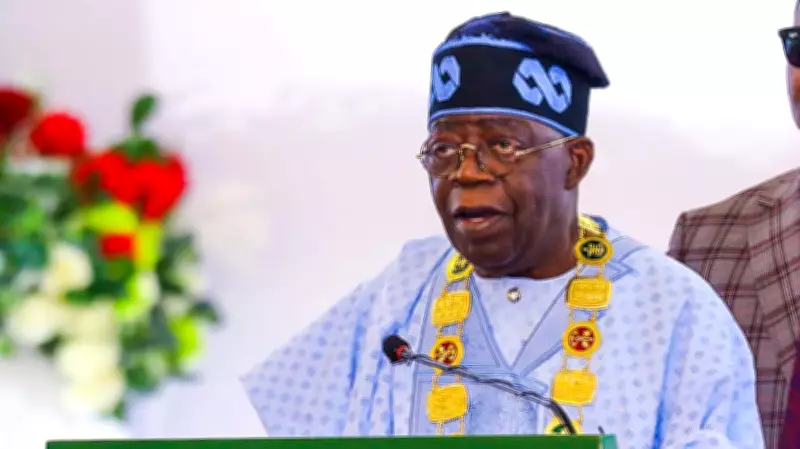
Tinubu Takes Charge of Electricity Reform with GAMCO Committee
President Bola Tinubu has taken a decisive step toward addressing Nigeria's longstanding electricity challenges by inaugurating an 11-member committee to establish the Grid Asset Management Company Limited (GAMCO). This move appears to be a direct response to the persistent calls from Nigerians for the administration to fulfill its campaign promise of ensuring stable power supply, a critical issue that has plagued the nation for decades.
Presidential Intervention in Power Sector
The committee was inaugurated on Friday, March 6, by the Chief of Staff to the President, Rt. Hon. Femi Gbajabiamila, who emphasized the revolutionary nature of this initiative. "The proposed establishment of GAMCO is one of the revolutionary steps taken by Mr President and this administration in the all-important power sector," Gbajabiamila stated. He further explained that the committee's mandate is to optimize and revolutionize power generation, with a particular focus on the grid and transmission sector.
The committee's primary task involves conducting a comprehensive review of existing laws, regulations, policies, and institutional frameworks governing the entire electricity value chain. This includes generation, transmission, distribution, and market operations. The fact that this responsibility has been assigned to a presidential committee, rather than falling under the purview of the Minister of Power, suggests that President Tinubu may be seeking a more direct and effective approach to power sector reform.
Context of Ministerial Policies
This development comes amid various policies and programs introduced by the incumbent Minister of Power, Mr. Adebayo Adelabu, who has been in office since August 2023. Among these initiatives are the electricity multi-bands tariff system, which has faced significant criticism from consumers who view it as problematic. Additionally, Minister Adelabu recently unveiled a 10-year rescue plan aimed at addressing manpower shortages in the electricity sector.
Key components of this plan include breaking up the Transmission Company of Nigeria (TCN) into two government agencies, training 1,200 electrical engineers, and prioritizing local contractors under a "Nigeria First" procurement policy. Other notable initiatives under Adelabu's watch include the Electricity Act 2023, which devolves regulatory powers to subnational governments and promotes private sector participation, a metering initiative targeting the deployment of millions of meters, and efforts to expand renewable energy projects with substantial funding.
Criticism and Alternative Perspectives
Despite these efforts, many of the objectives of Adelabu's power sector reforms have not achieved the desired impact. This perceived shortfall may explain why President Tinubu has opted to introduce GAMCO as a complementary or alternative approach. The establishment of GAMCO is seen as a remedy for the age-old electricity shortages that have hindered Nigeria's industrial development.
In a previous article titled "On Boosting Electricity Supply in Nigeria: Why Minister Adelabu's Approach Misses the Mark," published on November 6, 2025, concerns were raised about the minister's strategy. The criticism centered on the proposal to split TCN into two government-controlled entities, arguing that this approach fails to address the root cause of the problem—a broken transmission system.
The article highlighted that Nigeria's power generation capacity is approximately 12,000 megawatts, but only about 5,000 megawatts are utilized due to transmission constraints. It advocated for liberalizing transmission, encouraging private investment, and focusing on renewable energy solutions to unlock Nigeria's economic potential. The core argument was that Nigeria needs a modern, investment-driven grid rather than increased bureaucracy.
Historical Challenges and Future Directions
Twelve years after the privatization of Nigeria's power sector, the country continues to struggle with supplying barely 5,000 megawatts of electricity to its over 220 million citizens. While generation companies can produce up to 12,000 megawatts, this power remains stranded due to a dysfunctional transmission system. The 2013 reform, which modeled the telecom privatization, created a fragmented electricity value chain with transmission left under government control through TCN.
This decision has proven detrimental, as TCN operates with outdated infrastructure incapable of meeting current power needs, leading to grid collapses, load rejection, and stranded generation capacity. The impact has cascaded downstream, with distribution companies facing chronic under-supply and massive debt burdens, while consumers and businesses suffer from unreliable power.
As initial privatization agreements expire, Nigeria has a critical opportunity to correct course. However, proposals to further fragment TCN into government-controlled entities are viewed by some as inefficient. Instead, there is a call for bold, market-driven reforms that open transmission to private capital and expertise, aligning with global best practices in successful power markets.
Conclusion: A Path Forward
The establishment of the GAMCO committee under President Tinubu's direct oversight represents a significant shift in addressing Nigeria's electricity crisis. By taking charge from the presidency, Tinubu aims to tackle the systemic issues that have long hampered power supply. The committee's work will be crucial in reviewing and potentially overhauling the frameworks that govern the electricity sector, with the goal of achieving stable and reliable power for all Nigerians.
This initiative underscores the administration's commitment to fulfilling its promises and addressing the critical infrastructure needs that are essential for economic growth and development. As the committee begins its work, the hope is that GAMCO will pave the way for a more efficient, modern, and investment-friendly power sector that can finally deliver the electricity stability Nigerians have yearned for.




