Single Mother of Five Discloses Profitable Solar Business from Phone Charging
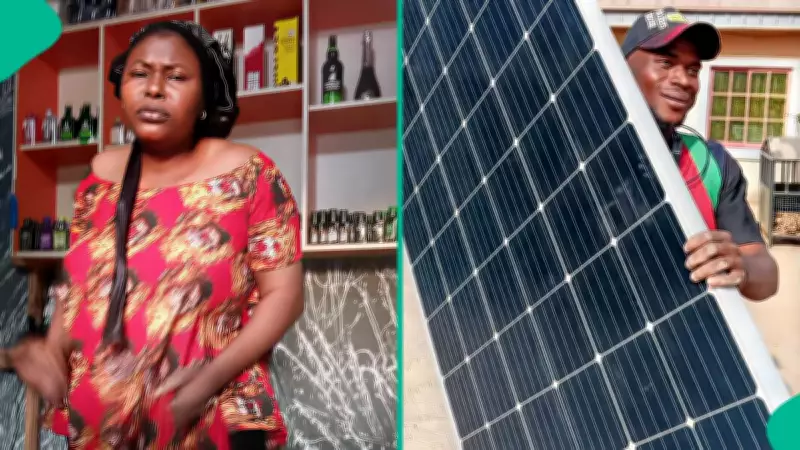
A Nigerian woman, a single mother of five children, has publicly shared her success story after installing a solar panel for her shop's electricity needs. In a recent TikTok video, she explained how she generates income by charging fees for people to use her solar setup to power their mobile phones. The business has proven to be highly profitable, with the woman earning a significant amount in a single day.
Daily Earnings and Business Strategy
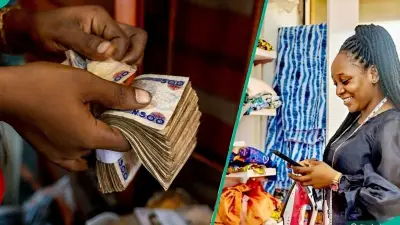
The woman, identified as @blessingodeh397 on TikTok, revealed that she made N12,000 in just one day from her phone charging service. She proudly displayed wads of cash in her video, emphasizing the viability of her venture. Speaking mostly in Pidgin English, she stated, "You see why I said as far as charging of phones with solar is allowed in Nigeria, NEPA, we no go gree make them bring light." This comment highlights her preference for solar power over the national grid, as she fears that restored electricity from the power company could undermine her business.
She further detailed her plans for the N12,000 profit, noting that she prioritizes her children's needs. The woman's approach involves charging customers a fee per phone charge, and she has found a steady stream of clients, especially in areas with unreliable grid power.
Public Reactions and Broader Context
The video sparked various reactions on social media. Some users expressed concern about her sharing income details publicly, with one commenter advising, "Everything is not content, please? this is your source of income keep it private, you don’t know who is watching." Others sympathized with her struggles as a mother, with another user noting, "Omo, being a mum is not easy.. The 12k no even reach am, she had to put her children first."
Additional comments touched on the practicality of solar charging, with one person mentioning, "I can’t remember when I use money to charge phone. Even to buy fuel may be once in 2 months," while others shared similar experiences or concerns about solar reliability. The discussion also included warnings about potential taxes if the business gains visibility.
This story aligns with broader trends in Nigeria, where many are turning to solar energy as an alternative to unreliable grid power. In related news, a businesswoman who previously spent N200,000 daily on diesel shared her costs for solar installation, and a lady who moved from the US to Nigeria installed a 15kWh solar system for constant electricity, though she noted the high expense involved.
The woman's experience underscores the growing role of renewable energy in supporting small businesses and livelihoods in Nigeria, particularly for those in underserved communities.