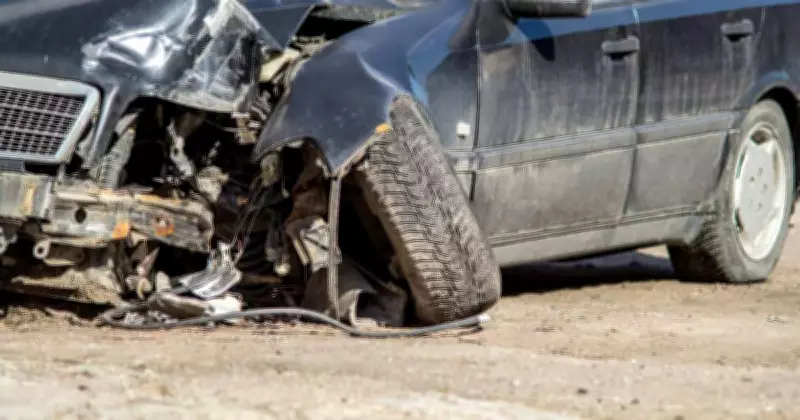
How to Identify Refurbished Accident Cars Before Purchase in Nigeria
The Nigerian automobile market is saturated with imported used vehicles, many of which are colloquially termed "accidented cars." These vehicles are typically acquired at low-cost auctions overseas, undergo refurbishment processes, and are subsequently sold for profit within Nigeria. The challenge for prospective buyers lies in the sophisticated refurbishment techniques that often make these cars appear pristine and roadworthy from both exterior and interior perspectives.
Understanding Accident Vehicles
An accident vehicle refers to any automobile that has sustained significant damage from collisions or impacts affecting its structural integrity, bodywork, or internal mechanical systems. Not all accident-damaged cars are rendered completely inoperable. Many undergo repairs and re-enter the market, particularly in regions like Nigeria where imported used cars (commonly called "Tokunbo") dominate the automotive landscape.
The primary concern revolves around substandard repair work that conceals serious underlying mechanical or safety issues. In extreme cases, vehicles classified as "write-offs" in countries with stringent automotive regulations—deemed too damaged for safe operation—are exported to markets with less rigorous standards, including Nigeria.
Comprehensive Vehicle Inspection Guide
If you're considering purchasing a used vehicle, especially imported models, these systematic checks can help determine if a car has been involved in significant accidents:
- Verify the Vehicle Identification Number (VIN)
Every automobile possesses a distinctive 17-character alphanumeric Vehicle Identification Number (VIN). This code serves as the vehicle's fingerprint, enabling potential buyers to access comprehensive historical data including accident records, manufacturing details, previous ownership, and whether the vehicle was ever declared a total loss.
Locate the VIN on the driver's side dashboard, door jamb, official vehicle title, or insurance documentation. VIN verification is crucial for registration processes, insurance purposes, and recall tracking, making it an indispensable tool for pre-purchase vehicle history assessment. Sellers who refuse to provide VIN information should raise immediate concerns.
- Conduct Thorough Body Examination
Carefully inspect the vehicle's exterior for telltale signs of previous damage and repair work:
- Uneven paint surfaces indicating repainting after collision damage
- Misaligned doors, bonnets, or trunk lids
- Visible welding marks or patched metal sections
These indicators frequently suggest past collision incidents that required substantial bodywork repairs.
- Examine the Chassis Structure
The chassis serves as the vehicle's foundational framework and represents one of the most critical indicators of serious accident damage. A bent, twisted, or improperly repaired chassis can compromise vehicle stability, causing alignment issues and creating safety hazards, particularly at higher speeds.
- Inspect Under the Hood
Evaluate the engine compartment for:
- New components installed in unusual locations
- Loose, mismatched, or non-original parts
- Evidence of fire, water, or flood damage
These findings may reveal concealed repair work or attempts to mask significant mechanical problems.
- Perform Comprehensive Test Drive
A thorough test drive represents an essential evaluation component. During operation, remain attentive to:
- Unusual vibrations or shuddering
- Steering that pulls consistently to one side
- Abnormal noises from the suspension, brakes, or drivetrain
A properly repaired vehicle should demonstrate stable, predictable handling characteristics without concerning operational anomalies.
- Engage Professional Mechanical Assessment
Regardless of a vehicle's cosmetic appearance, always enlist a qualified mechanic for professional inspection. Automotive professionals possess the expertise to identify issues that untrained observers typically miss. When possible, utilize diagnostic scanning equipment to detect electronic or computer-related problems that might not manifest during visual inspection or test drives.
Warning Signs of Problematic Vehicle Sales
Several red flags should alert prospective buyers to potentially fraudulent transactions:
- Prices that appear unrealistically low compared to market values
- Sellers applying pressure to complete purchases hastily
- Missing or incomplete vehicle documentation
- Inconsistent narratives about the vehicle's history or origin
These indicators often signal dealings with unscrupulous sellers marketing unsafe or misrepresented vehicles.
Evaluating Accident Vehicle Safety
Not all previously damaged vehicles represent poor purchase decisions. Automobiles involved in minor incidents—such as bumper damage or superficial bodywork—that receive proper, professional repairs can remain safe and reliable transportation options. However, vehicles with structural damage or those repaired using inadequate techniques pose significant safety risks to occupants and other road users.
Recent governmental initiatives to restrict uncertified and severely accident-damaged vehicle imports represent positive regulatory steps. While such measures may contribute to increased vehicle pricing, they ultimately enhance road safety standards and potentially save lives by preventing unsafe automobiles from entering Nigerian roadways.