Global economic losses caused by natural catastrophes are projected to have fallen significantly in 2025, according to new estimates from the reinsurance giant Swiss Re. The company's preliminary figures show a notable decline, even after accounting for the most expensive wildfire event in history.
A Significant Drop in Overall Costs
Swiss Re announced on Tuesday that total economic losses from natural disasters are estimated at $220 billion for 2025. This figure represents a substantial decrease of 33 percent compared to the previous year. The Zurich-based firm, which provides insurance for insurance companies, also reported a drop in insured losses. The cost covered by insurers is projected to be $107 billion, down by 24 percent from 2024.
The primary reason for this decline is attributed to a much less severe hurricane season in the North Atlantic. For the first time in a decade, no major hurricanes made landfall on the United States coastline. "This explains why insured losses from this peril are set to be low in 2025," Swiss Re stated. Despite the overall drop, 2025 still marks the sixth consecutive year where insured natural catastrophe losses are expected to exceed $100 billion.
Hurricanes, Storms, and a Record Wildfire
The 2025 Atlantic hurricane season produced 13 named storms, which included three powerful Category 5 hurricanes: Erin, Humberto, and Melissa. The most costly was Hurricane Melissa, which caused severe damage in Jamaica and affected Haiti and Cuba. Swiss Re estimates insured losses from Melissa at $2.5 billion. The hurricane, with wind gusts reaching 298 kilometres per hour, triggered major flooding and landslides.
However, severe storms remain a major driver of global losses. In 2025, insured losses from storms—which include tornadoes, hail, and flooding—reached $50 billion. This makes it the third most expensive year for storms, following 2023 and 2024. Swiss Re's catastrophe perils chief, Balz Grollimund, noted a steady rise in losses from severe convective storms. He linked this trend to urban expansion into risky areas, increasing property values, and higher construction costs.
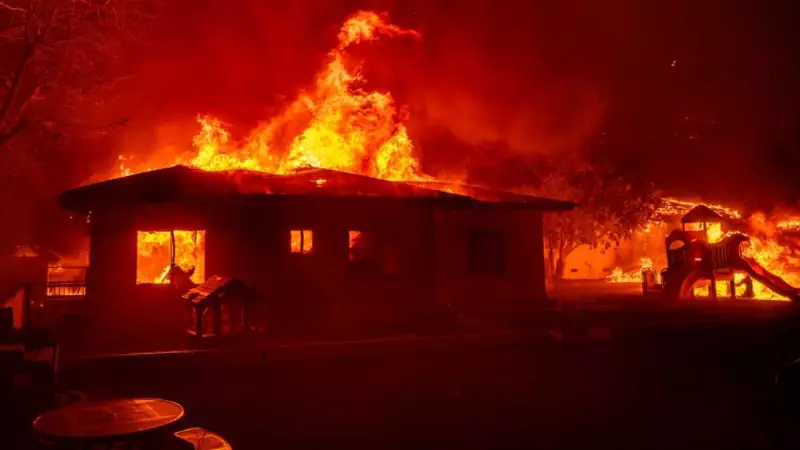
The single most expensive disaster of the year was the series of wildfires that struck Los Angeles in January. Swiss Re confirmed this as the costliest insured wildfire loss event ever recorded, with estimated losses of $40 billion. The reinsurer explained that the scale of destruction resulted from a combination of extreme hot, dry weather and strong winds, coupled with the expansion of high-value residential areas into wildland zones.
Global Impact and the Need for Preparedness
Swiss Re's data highlights that events in the United States account for a staggering 83 percent of global insured natural catastrophe losses. Meanwhile, other regions were not spared. Southeast Asia, particularly Vietnam, Thailand, and Indonesia, experienced severe river and flash flooding in November, though loss estimates are still pending.
Jerome Jean Haegeli, Swiss Re's group chief economist, emphasised the critical importance of risk mitigation. "Strengthening prevention, protection and preparedness is essential to protect lives and property," he stated. The report underscores that while large-scale disasters capture headlines, insurers must also account for the cumulative financial impact of frequent, smaller events, especially as property values and repair costs continue to climb.