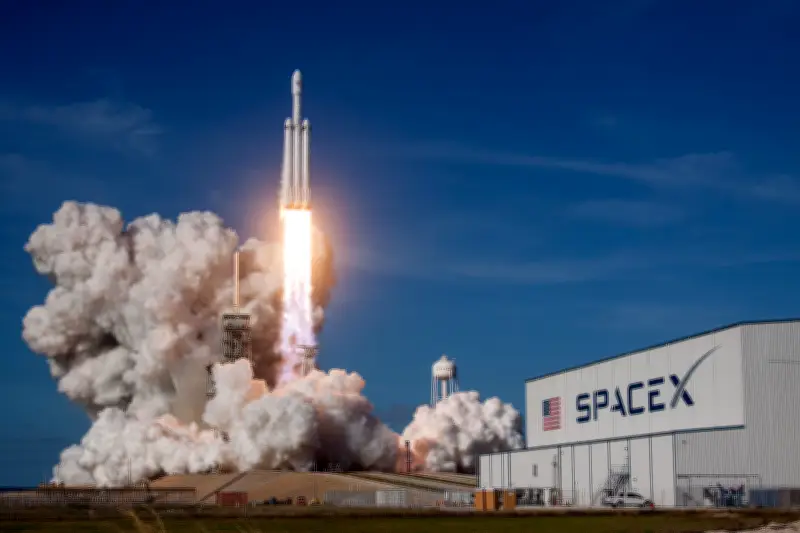
SpaceX shares fell below the company's initial public offering (IPO) price of $135 on Thursday for the first time since its market debut, effectively wiping out all gains for early investors who bought in at the listing. The stock closed at $132.50, down 4.3% on the day, as broader market selloffs and company-specific headwinds weighed on the aerospace manufacturer's valuation.
Market Debut and Subsequent Performance
SpaceX went public in March 2026 at $135 per share, raising approximately $8.5 billion in one of the most anticipated IPOs of the decade. The stock initially surged, reaching an all-time high of $198.70 in May, driven by optimism around its Starlink satellite internet business and Starship development milestones. However, the shares have been in a steady decline since June, losing over 33% from their peak.
According to data from the New York Stock Exchange, the decline accelerated this week after the company announced a delay in its next Starship orbital test flight due to technical issues with the Raptor engines. The announcement came just days after rival Blue Origin successfully completed a crewed lunar mission, intensifying competition in the space tourism sector.
Impact on Investors
The drop below the IPO price means that all investors who purchased shares at the offering—including institutional funds, retail investors, and employees who exercised stock options—are now holding unrealized losses. Early-stage venture capital firms that invested in SpaceX before the IPO still retain substantial gains, as they bought shares at significantly lower valuations.
"This is a painful milestone for those who bought at the IPO," said Michael Thompson, an aerospace analyst at Morgan Stanley. "The market is reassessing SpaceX's near-term revenue potential, especially given the delays in Starship and the increasing competition from Blue Origin and other players."
Factors Behind the Decline
Several factors have contributed to the stock's decline. First, the Federal Reserve's decision to raise interest rates by 50 basis points last week has led to a broad selloff in growth stocks, as higher discount rates reduce the present value of future earnings. Second, SpaceX reported lower-than-expected Starlink subscriber growth in its quarterly earnings, adding only 1.2 million new users compared to forecasts of 1.8 million.
Additionally, production issues at its Texas facility have delayed the rollout of the next-generation Starlink satellites, which are crucial for increasing network capacity and reducing latency. The company also faces rising costs for raw materials, including aluminum and titanium, which have squeezed profit margins.
Outlook and Analyst Reactions
Despite the recent slump, some analysts remain bullish on SpaceX's long-term prospects. "SpaceX is still the leader in reusable rocket technology and has a massive backlog of launch contracts," said Sarah Chen, an analyst at Goldman Sachs. "The current price may present a buying opportunity for patient investors."
However, others warn that further downside is possible if the company fails to meet its revised timeline for Starship. The stock is now trading at 45 times trailing earnings, down from a peak of 70 times, but still above the industry average of 30 times.
SpaceX has not commented on the stock price movement. The company's next major catalyst is the scheduled launch of a NASA crew mission to the International Space Station in August, which could restore investor confidence if executed successfully.