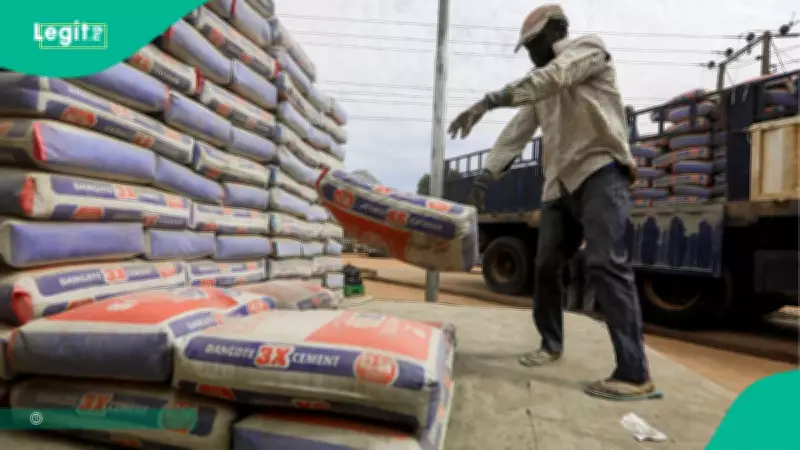
Cement Prices Hit N12,000 Per Bag Nationwide as Dangote, BUA Adjust Rates
Leading cement manufacturers in Nigeria, including industry giants Dangote Cement and BUA Cement, have announced significant price adjustments, with a 50kg bag of cement now retailing for as high as N12,000 in various regions across the country. This latest increase represents a sharp rise from previous prices that ranged between N11,000 and N11,500 per bag, intensifying concerns about affordability and the potential slowdown of construction activities nationwide.
Energy Costs Drive Price Surge
Industry experts identify escalating energy costs as the primary catalyst behind the new pricing regime. Manufacturers are contending with substantially higher fuel prices, which directly impact production processes that are heavily dependent on energy-intensive operations. Soji Adeniji, Chairman of the Lagos Chamber of Commerce and Industry Construction and Engineering Group, elaborated on this issue, noting that the surge in petrol prices from approximately N1,000 to nearly N1,900 per litre has significantly elevated factory operating expenses.
According to Adeniji, this dramatic increase in fuel costs has placed immense pressure on cement producers, compelling them to transfer these additional expenses to consumers through higher retail prices. The situation is further exacerbated by Nigeria's ongoing power crisis, which forces many manufacturers to rely on expensive alternative energy sources, thereby inflating production overheads.
Logistics and Distribution Challenges Add Pressure
Beyond production hurdles, logistics and distribution have emerged as critical factors contributing to the price hike. The cost of transporting cement from manufacturing plants to distributors and end-users has climbed sharply, creating a noticeable price disparity between factory pickup rates and delivered cement. Industry players report that while some buyers might access cement at lower prices directly from factories, delivery expenses push retail prices substantially higher in the market.
This growing gap underscores how transportation costs continue to shape final market prices, with logistics challenges including poor road infrastructure, rising diesel prices, and security concerns along major transport routes. A recent report by Punch highlighted these issues, emphasizing that distribution bottlenecks are compounding the affordability crisis for builders and consumers alike.
Global Factors Influence Local Market Dynamics
Stakeholders also link the rising cement prices to global developments, particularly geopolitical tensions in the Middle East that have disrupted energy markets worldwide. These international disruptions have cascading effects on input costs for Nigerian manufacturers, who are already grappling with local economic pressures such as currency fluctuations and inflationary trends. The interconnected nature of global supply chains means that external shocks can quickly translate into higher production costs domestically, further straining the construction sector.
Builders and Developers Feel Immediate Impact
For builders, developers, and individual homeowners, the sudden price increase has delivered a significant shock. Industry professionals confirm that the spike is already affecting project timelines, budgets, and overall feasibility. Architect Oluseyi Amusan noted that prices jumped within weeks, catching many buyers off guard and forcing rapid adjustments to construction plans.
Amusan added that dealers often attribute such increases to rising fuel costs, though some industry observers speculate that manufacturers might occasionally adjust prices preemptively in anticipation of market pressures. Regardless of the timing, the immediate consequence is heightened financial strain on construction projects, particularly for low-income housing initiatives and small-scale developers.
Growing Concerns Over Construction Slowdown
With cement serving as a fundamental building material, the sustained rise in prices is expected to dampen construction activities nationwide. Industry operators warn that if this trend continues, it could lead to fewer projects being initiated, higher housing costs, and broader economic implications for Nigeria's construction sector, which is a significant contributor to employment and GDP growth.
The situation has evolved rapidly in recent months. Legit.ng previously reported that the cost of a 50kg bag had risen to between N10,500 and N11,000 across several states, as builders and consumers grappled with mounting construction expenses. For instance, in Ilorin and other parts of Kwara State, cement that sold for between N9,300 and N9,700 per bag in January now averages N10,500 to N10,700, depending on brand and location, illustrating the accelerating pace of price increases.
As the construction industry navigates these challenges, stakeholders are calling for targeted interventions to address the underlying cost drivers, including improvements in energy infrastructure, logistics efficiency, and policy stability. The outcome will significantly influence housing affordability, infrastructure development, and economic resilience in the coming months.