Digital Platform Transforms Nigeria's Food Processing Industry
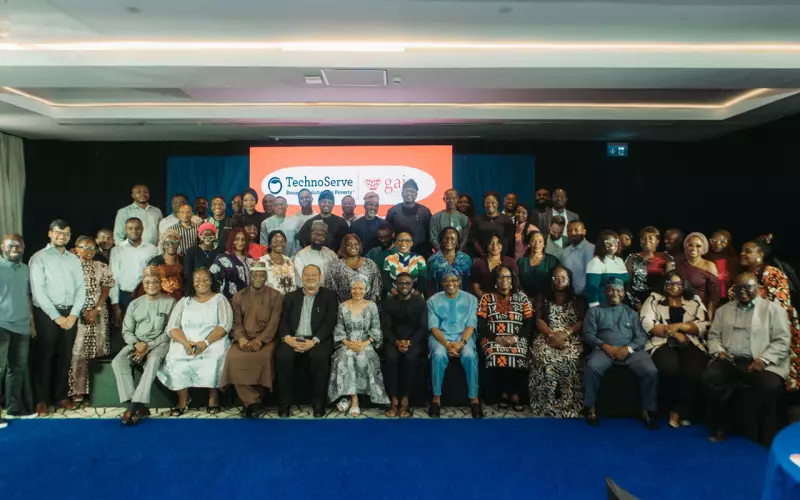
Nigeria's food processing sector is experiencing a significant transformation through the Digital Fortification Quality Traceability Plus (DFQT+) platform, which stakeholders are hailing as a revolutionary development. The innovative digital solution was the center of attention at the 2025 Digital Lab Workshop organized by TechnoServe and the Global Alliance for Improved Nutrition (GAIN).
Industry Leaders Praise Platform's Impact
Samson Rindap, Quality Assurance Manager at Apple and Pears Ltd, emphasized that the platform has dramatically increased awareness about food fortification requirements. According to Rindap, the system has made food producers more accountable for their entire production process, from raw material reception through transformation and final analysis.
"The platform encourages everyone to take responsibility for their processes," Rindap explained. "From receiving materials to transformation and analysis, staff remain vigilant to ensure all procedures are properly documented and followed."
He noted that the digital platform has streamlined interactions between edible oil producers and regulatory agencies, facilitating quicker resolution of compliance issues. However, he acknowledged that further improvements are needed to achieve a completely seamless digital process.
Real-Time Monitoring and Reduced Workload
Ikechukwu Uche, Laboratory Manager at PZ Wilmar, highlighted the platform's ability to provide real-time fortification results. "Management can view results in real-time whenever they need to," Uche stated. "This has significantly reduced the operational stress for our team while improving oversight capabilities."
The DFQT+ platform, launched in April 2024, was developed with input from multiple stakeholders including regulatory agencies, edible oil producers, and national technical advisory groups. The system utilizes digital tools to enhance transparency and traceability while maintaining profiles of participating stakeholders and sharing live fortification data.
Regulatory Benefits and Future Commitments
Terdoo Anom, Assistant Chief Standard Engineer at the Standards Organisation of Nigeria (SON), revealed that SON was among the early adopters of the platform due to its potential to address non-compliance issues and improve quality assurance.
Similarly, Tijanni Abiola, Assistant Chief Regulatory Officer at the National Agency for Food and Drug Administration and Control (NAFDAC), emphasized how the platform has enhanced reliability and strengthened relationships between regulatory agencies. "The platform has improved confidence between agencies since regulators can share real-time data," Abiola noted. "This enables effective verification compliance monitoring directly from our offices."
Ayodele Tella, LSFF Portfolio Lead at TechnoServe, assured stakeholders of her organization's commitment to leveraging technology for broader impact. "We are definitely committed to using technology to scale our collective impact and ensure every Nigerian benefits from properly fortified food, which aligns with federal government objectives," Tella affirmed.
During her welcome remarks, Ladidi Bako-Aiyegbusi, Director of Nutrition at the Federal Ministry of Health in Nigeria's Southwest region, expressed appreciation to TechnoServe and GAIN for developing the digital platform. Represented by Maria Odey, senior medical officer at FMOH, Bako-Aiyegbusi noted that Nigeria initiated large-scale food fortification in 1992 with salt and has since expanded to include edible oil, flour, and other vehicles to address micronutrient deficiencies at the population level.