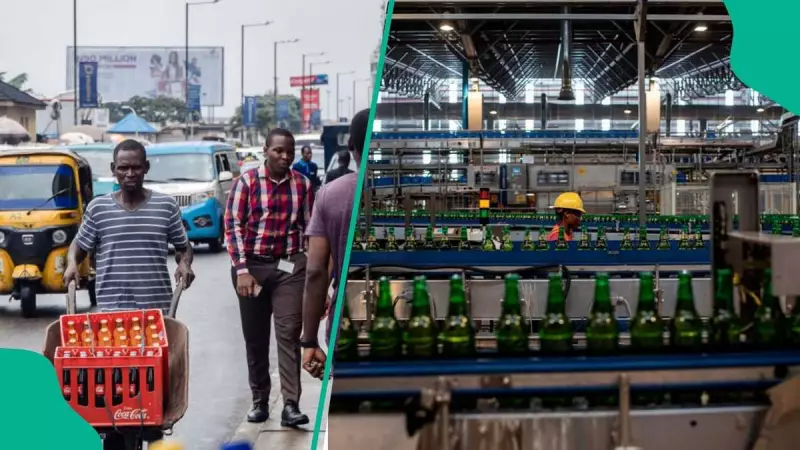
A proposed sharp increase in the tax on sugary drinks is sparking a major clash between public health goals and industrial stability in Nigeria. The Senate is currently reviewing a bill that would significantly raise the excise duty on Sugar-Sweetened Beverages (SSBs), a move fiercely opposed by manufacturers who warn it could trigger widespread job losses.
The Proposed Tax Hike and Conflicting Views
The amendment to the Customs and Excise Tariff (Consolidation) Act seeks to change the current levy from a flat rate of N10 per litre to a charge equivalent to at least 20% of the retail price of each product. This aligns with recommendations from the World Health Organisation (WHO). Supporters of the bill, including the Federal Ministry of Health, argue that the higher tax will reduce consumption of SSBs and fund crucial health programmes.
During a public hearing organized by the Senate Committees on Finance and Customs, the Manufacturers Association of Nigeria (MAN) presented a starkly different view. Represented by Director Mr. Adeyemi Folorunsho, MAN disputed the health rationale, stating that Nigeria's sugar consumption level is among the lowest globally and should not justify such a tax increase.
Folorunsho urged lawmakers to seek a balanced approach that considers health without endangering jobs or the stability of the manufacturing sector.
Health Ministry and Civil Society Back the Bill
In strong support of the amendment, the Federal Ministry of Health, through the Minister Prof. Ali Pate, described the bill as a progressive step. Prof. Pate emphasized that earmarking part of the generated revenue for health promotion would strengthen disease prevention and provide sustainable financing for health services, calling it a critical move toward universal health coverage.
Civil society groups like the Nigerian Cancer Society and the Diabetes Association of Nigeria also endorsed the proposal. Their support comes against a backdrop of concerning health statistics. Data from the International Diabetes Federation (IDF) indicates a 3.0% diabetes prevalence among Nigeria's adult population, meaning over 2.9 million Nigerian adults are living with the condition.
A Pattern of Industrial Opposition
This is the second time in recent months that manufacturers have strongly opposed a government policy affecting consumer goods. This follows their condemnation of the ban on sachet alcohol, which they argued would also lead to massive job losses and a surge in counterfeit products.
The core of MAN's argument remains that policy shifts must carefully weigh economic impacts, particularly employment, against intended social benefits. The outcome of this Senate deliberation will have significant implications for Nigeria's public health funding, manufacturing sector, and the affordability of everyday beverages for millions of Nigerians.