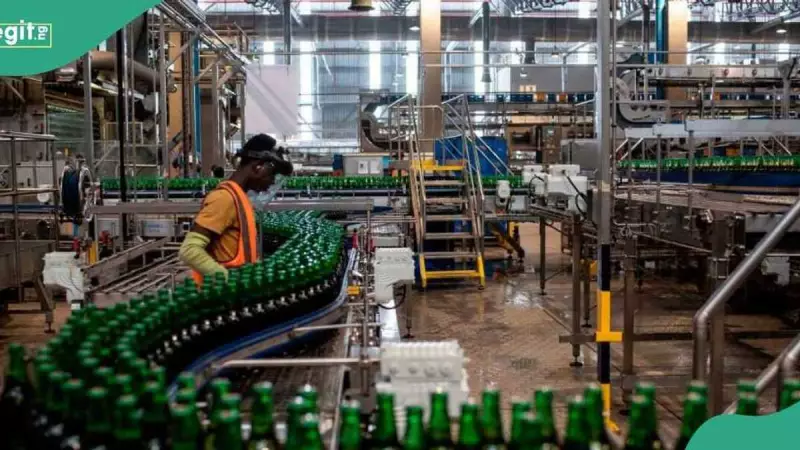
The Nigerian manufacturing sector is facing a severe crisis as the Manufacturers Association of Nigeria (MAN) strongly opposes the impending ban on alcoholic beverages in sachets and small PET bottles by the National Agency for Food and Drug Administration and Control (NAFDAC).
Imminent Economic Disaster
MAN has raised serious alarms about the devastating economic impact of the ban scheduled to take effect from December 31, 2025. According to the association's dire warning, this decision could lead to the loss of more than 500,000 jobs and wipe out investments worth over N1.9 trillion from the Nigerian economy.
The controversial directive follows a resolution reportedly passed by the Senate on November 6, 2025, supporting the complete prohibition of these alcohol packaging formats. However, MAN argues this decision was made without proper stakeholder consultation.
MAN's Strong Opposition
Segun Ajayi-Kadir, Director-General of MAN, described the ban as "deeply concerning" and inconsistent with the position of the House of Representatives, which had previously called for further consultations among industry players.
"The Senate should have held a stakeholders' consultation, either through a public hearing or focused meetings with relevant players in the alcohol beverage industry," Ajayi-Kadir emphasized. "That was the route painstakingly followed by the House of Representatives."
The manufacturing leader revealed that an enlarged committee comprising industry stakeholders, NAFDAC, and the Ministry of Health had validated the National Alcohol Policy in October. This policy recommended a multi-sectoral approach involving tighter law enforcement and public awareness campaigns instead of an outright ban.
Counterarguments and Industry Position
MAN has challenged the fundamental justification for the ban, describing claims that sachet alcohol fuels underage consumption as "unfounded." The association pointed to independent research commissioned by government agencies that reportedly dismissed such assertions.
Ajayi-Kadir highlighted the industry's substantial investment in responsible drinking campaigns, noting that manufacturers have already committed over N1 billion to awareness programs across various media platforms to discourage alcohol abuse.
The association further argued that sachet packaging was originally introduced to serve adults with low purchasing power by offering smaller, affordable portions that could actually help reduce excessive consumption.
Broader Economic Implications
MAN warned that enforcing the ban would not only cause massive job losses but also disrupt manufacturing operations and further harm Nigeria's already fragile economy.
"This decision is unfair and counterproductive," Ajayi-Kadir stated. "It risks destroying indigenous businesses, reducing capacity utilization, and handing the market over to smugglers and foreign brands that are harder to regulate."
The association cautioned that banning regulated sachet products could have unintended consequences, potentially driving consumers toward unregulated, illicit beverages that pose even greater health risks.
"Once a product is not illegal, the sustainable way to manage access is through effective regulation, not prohibition," Ajayi-Kadir concluded, emphasizing MAN's position that regulation rather than outright ban represents the more balanced approach.
The looming ban comes amid international concerns about alcohol safety, with the United Kingdom's Foreign, Commonwealth & Development Office recently issuing warnings about rising cases of methanol poisoning linked to counterfeit alcoholic drinks in Nigeria and seven other countries.