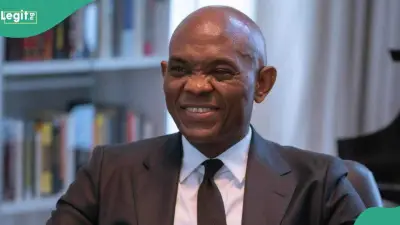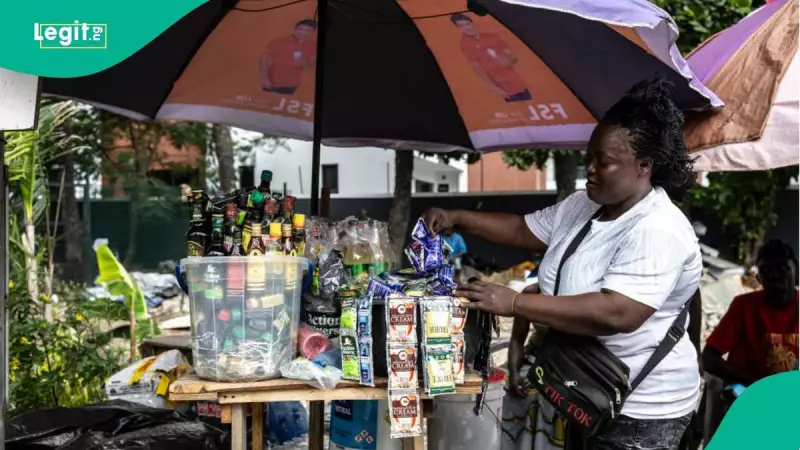
The Food, Beverage and Tobacco Senior Staff Association (FOBTOB) has strongly criticized the Nigerian Senate's decision to approve a ban on alcoholic beverages in sachets and PET bottles below 200ml, scheduled for implementation in December 2025.
Massive Job Losses Feared
During a press conference held in Lagos State, FOBTOB President Jimoh Oyibo revealed the devastating potential impact of the ban. Over 500,000 direct employees and approximately five million indirect workers could face job losses if the prohibition takes effect as planned.
Oyibo emphasized that industry players have invested close to Two Trillion Naira in machinery and raw materials, investments that would be completely wasted if the ban proceeds. The sector represents billions of naira in both machinery and infrastructure investments that would be severely disrupted.
Unintended Consequences and Market Risks
The association president argued that the ban would likely backfire, leading to dangerous alternatives flooding the market. "The ban will only fuel alternatives, which will put the lives of Nigerians at risk," Oyibo stated, adding that "Nigerians will always find a way" to access alcohol, potentially through unregulated and adulterated products.
He further warned that the prohibition could destroy indigenous companies while opening the Nigerian market to smuggled foreign alcoholic products that would not undergo proper regulation or quality control.
Questioning the Ban's Rationale
While the Senate approved the ban based on NAFDAC's concerns about underage drinking and reckless consumption, particularly among transport workers, FOBTOB challenges these justifications. Oyibo contended that such claims lack supporting evidence from independent research and noted that manufacturers have already been conducting nationwide responsible-drinking campaigns.
"The children we claim to protect may end up out of school when their parents lose their jobs," he argued, highlighting the potential social consequences of widespread unemployment in the sector.
Calls for Dialogue and Alternative Solutions
FOBTOB has described the process leading to the ban as unfair, claiming that proper consultation with stakeholders was not conducted despite directives for NAFDAC to engage with industry players. The association is urging the Senate to suspend its directive and instead conduct public hearings to explore more balanced approaches.
They suggest that the newly validated National Alcohol Policy could provide a framework for reaching better decisions that address public health concerns without devastating the economy and employment landscape. The Manufacturers Association of Nigeria (MAN) has similarly protested the ban, advocating for regulated consumption rather than outright prohibition.