
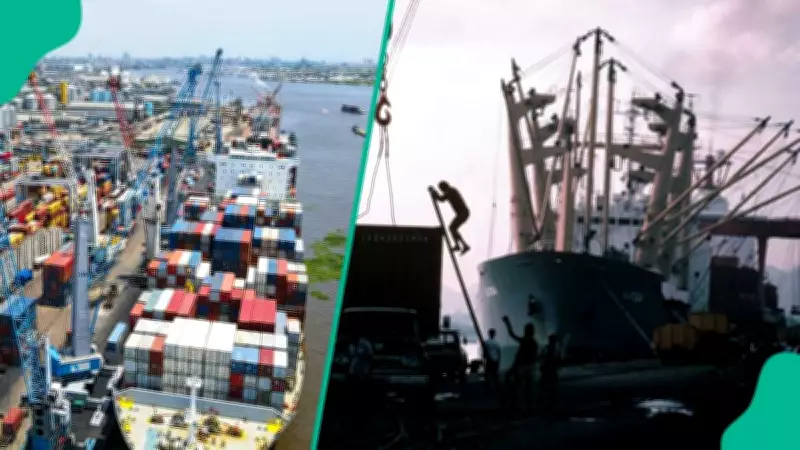
Nigerian Ports Authority Announces Major Cargo Inflow at Lagos Ports
The Nigerian Ports Authority (NPA) has officially confirmed that a total of 33 vessels are scheduled to arrive at Lagos ports this week, as reported by The Sun. This significant maritime movement is set to occur between February 22 and February 27, with the ships expected to berth at key locations including Apapa, Tin-Can Island, and the Lekki Deep Sea ports.
Breakdown of Vessel Cargo and Current Port Activities
According to the NPA's latest Daily Shipping Position released on Monday, the incoming vessels are carrying a diverse range of consignments. Seventeen of these ships are transporting containerised cargo, while the remaining 16 are loaded with bulk gas, diplomatic consignments, bulk urea, empty containers, crude oil, clinker, and blended stock. Notably, seven vessels have already arrived at the Lagos ports and are currently awaiting berthing clearance. These ships are laden with critical items such as aviation fuel, petrol, containers, and other general cargo.
On the discharge front, port activities across the Lagos corridor remain highly active. The NPA disclosed that 17 vessels are presently offloading cargo at Apapa, Tin-Can Island, and Lekki ports. The items being discharged include essential commodities like bulk wheat, soya bean oil, sugar, urea, fresh fish, trucks, general cargo, and containerised goods. This steady inflow is crucial for maintaining supply chains in Nigeria.
Impact on Domestic Supply and Market Stability
The continued arrival of fuel shipments is expected to significantly support supply within the downstream petroleum sector, helping to stabilise fuel availability across the country. Similarly, the importation of food commodities such as wheat, sugar, and fish may help moderate supply pressures in key consumer markets, potentially leading to more stable prices and reduced shortages.
This update reflects sustained cargo movement through Lagos ports, which account for a substantial share of Nigeria's maritime trade and play a central role in the nation's logistics and supply chain network. The ports are vital hubs for both imports and exports, driving economic activity and supporting various industries.
Challenges and Government Initiatives in Maritime Trade
Despite the positive news, challenges persist in the maritime sector. The Shippers Association of Lagos State has recently raised concerns over multiple levies, illegal checkpoints, and long delays, which they argue are slowing trade efficiency at the Lagos ports. In response, the Nigerian Shippers' Council has acknowledged stakeholder concerns about overlapping taxes and promised continued engagement with relevant authorities to address these issues.
Meanwhile, the Customs Comptroller-General, Adewale Adeniyi, highlighted that the National Single Window platform launched by the federal government is part of broader efforts to streamline operations and drive Nigeria's economy toward a target of $1 trillion by 2026. This initiative aims to enhance trade facilitation and reduce bureaucratic hurdles.
Related Infrastructure Developments
In related news, Nigeria's Federal Executive Council has approved over N6.43 trillion for the construction of deep seaports in Bakassi and Ondo state through Public-Private Partnership (PPP) arrangements. The Infrastructure Concession Regulatory Commission (ICRC) stated that these projects, along with a hydropower plant, will be funded entirely by private investors. At least 13 PPP projects have been approved in 2025, forming part of President Bola Tinubu's agenda to drive private-sector-led development and attract foreign investment into the country's infrastructure.
The ongoing activities at Lagos ports underscore their critical role in Nigeria's economy, with the arrival of these 33 vessels poised to bolster supply chains and support market stability in the coming days.




