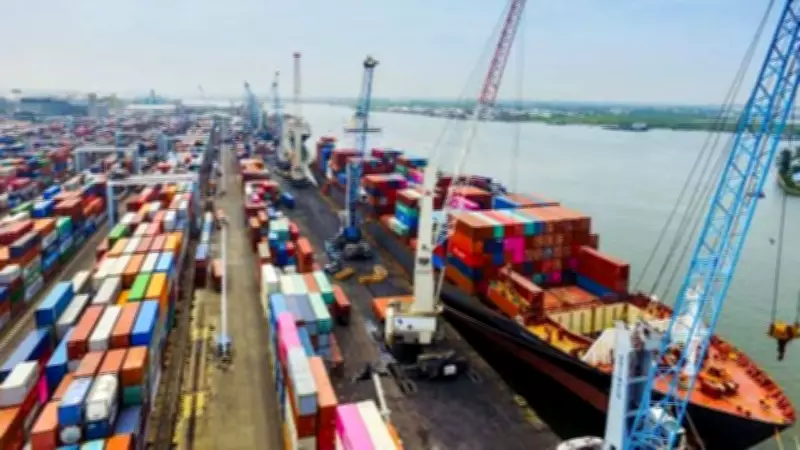
Nigerian Barge Operators Suffer N211.9 Billion Loss Amid Harsh Business Climate
In a stark revelation at the first Citizen/Stakeholders Engagement by the Federal Ministry of Marine and Blue Economy, held in Lagos on April 2, 2026, the Barge Operators Association of Nigeria (BOAN) disclosed that approximately 69 indigenous barge companies have liquidated, with their combined value estimated at N211.9 billion. This massive loss highlights the severe challenges facing the local maritime sector, driven by a combination of regulatory hurdles, high operational costs, and foreign market dominance.
Shrinking Industry: From 83 to 14 Active Firms
According to BOAN, out of the 83 registered indigenous barge companies in Nigeria, only about 14 remain active and are struggling to sustain operations. The association attributed this drastic reduction to multiple factors that have created an inhospitable environment for local businesses. Nura Wagani, Financial Secretary and Director of Enforcement and Operations of BOAN, provided further insight, noting that despite the initial registration of 83 companies, merely eight are currently operating actively. This decline underscores the urgent need for intervention to prevent further collapse of the sector.
Root Causes of Business Failures
The liquidation of these barge firms stems from a complex web of issues that disproportionately affect indigenous operators. Key factors include:
- Multinational Dominance: Foreign companies have taken over the local market, squeezing out domestic players through competitive advantages and operational inequalities.
- Regulatory Bottlenecks: Operators face excessive red tape and bureaucratic delays from agencies like the Nigerian Ports Authority (NPA) and the Nigerian Maritime Administration and Safety Agency (NIMASA).
- High Charges and Tariffs: Multiple fees imposed by NPA, NIMASA, and terminal operators have escalated costs, making it difficult for local firms to remain profitable.
- Lack of Infrastructure: Inadequate berthing spaces at ports and poor access to capital, compounded by high bank interest rates, hinder operational efficiency.
- Limited Government Support: Insufficient policy backing and financial assistance have left operators vulnerable to market pressures.
Wagani detailed the prohibitive entry costs, stating that obtaining a licence from NPA alone requires N50 million, with additional documentation fees such as a $1,500 conservancy fee and $1,500 tugboat fee, totalling $3,000, plus other mandatory certifications like tax clearance and Corporate Affairs Commission registration.
Economic Impact and Calls for Reform
Dr Eugene Nweke, Head of Research at the Sea Empowerment and Research Centre (SEREC), emphasized the untapped potential of the barge sector as a fast, scalable, and cost-effective logistics alternative for cargo evacuation. However, he noted that inefficiencies in Nigeria's logistics chain account for 20-30% of cargo value, with port-related delays costing the economy $7-10 billion annually. Congestion across port corridors has led to supply chain disruptions exceeding N500 billion each year.
To address these challenges, Nweke proposed the establishment of a N500 billion National Barge Development Fund, to be funded through a public-private partnership model. This fund aims to support fleet expansion, terminal development, and regulatory improvements, with a goal of evacuating at least 50% of cargo via inland waterways within five years.
Government Response and Future Steps
In response to these concerns, Dr Adegboyega Oyetola, Minister of Marine and Blue Economy, directed the Nigerian Shippers' Council (NSC) to investigate the issues and submit recommendations for ministry support. BOAN has also demanded dedicated berthing space and a desk in the ministry to better advocate for operators' needs. This engagement marks a critical step towards revitalizing the barge industry, which remains vital for Nigeria's trade and economic growth.