Nigeria Seeks Enhanced EU Partnership to Tackle Maritime Crimes in Gulf of Guinea
The Federal Government of Nigeria has formally requested increased collaboration with the European Union to address rising maritime threats, including illegal fishing, trafficking, and environmental crimes in the Gulf of Guinea. This appeal was made during a high-level meeting in Abuja, underscoring the urgency of a coordinated international response to safeguard regional waters.
Minister Oyetola Emphasizes Integrated Security Approach
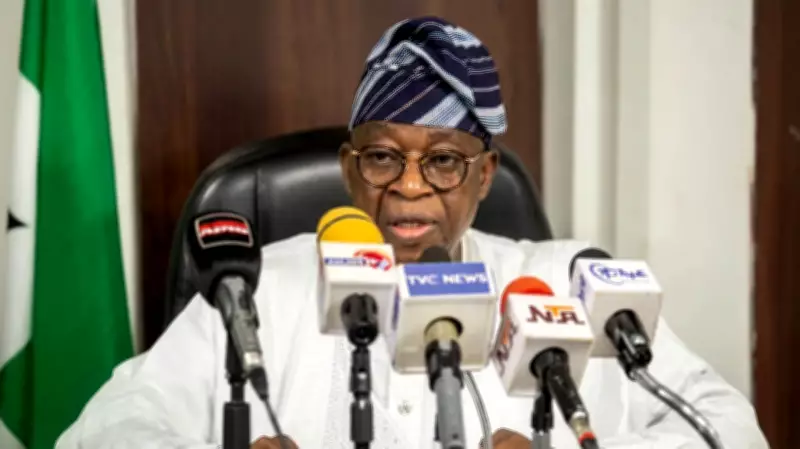
Dr. Adegboyega Oyetola, the Minister of Marine and Blue Economy, highlighted the need for a broader and more sustained strategy to counter evolving security challenges in the maritime domain. He stressed that such efforts must be anchored on robust international partnerships to ensure effectiveness and longevity. The minister made these remarks while receiving a delegation from the European Union Evaluation Mission on the Gulf of Guinea Inter-regional Network (GoGIN II) Project.
In a statement issued by Dr. Bolaji Akinola, the Special Adviser to the Minister, it was revealed that the EU delegation, led by Ms Stéphanie Vergniault, is conducting an independent assessment of the EU-funded GoGIN II initiative. This project aims to enhance maritime coordination and information sharing across the Gulf of Guinea, supporting regional stability and economic activities.
Commitment to Yaoundé Architecture and Regional Cooperation
Minister Oyetola reaffirmed Nigeria's steadfast commitment to the Yaoundé Architecture for Maritime Security, describing it as a crucial platform for regional cooperation, collective response, and intelligence exchange. He acknowledged that EU-backed interventions like GoGIN II have significantly strengthened this framework by improving maritime domain awareness and fostering closer collaboration among national and regional agencies.
The minister pointed to the YARIS information-sharing system as a key tool that has enhanced coordination among maritime stakeholders. However, he emphasized the necessity of sustaining and optimizing its operational use to maximize its impact. Oyetola also called for improved interoperability between regional centers and national institutions, alongside ongoing capacity building and technical support to address emerging threats effectively.
Nigeria's Domestic Efforts and the Deep Blue Project
Highlighting Nigeria's proactive measures, Oyetola cited the success of the Deep Blue Project, which has contributed to a notable reduction in piracy and armed robbery at sea in the Gulf of Guinea in recent years. He attributed this progress to the effective combination of national ownership with regional and international support, demonstrating a model that can be replicated across the region.
As the GoGIN II programme approaches its completion, the minister urged all stakeholders to focus on consolidating its achievements and ensuring long-term sustainability through stronger regional ownership mechanisms. He warned that maintaining the gains recorded is critical to securing the maritime domain and supporting economic activities, such as fishing and trade, across the Gulf of Guinea.
EU Evaluation Mission Gathers Feedback for Future Initiatives
Earlier in the meeting, Ms Vergniault explained that the evaluation mission aims to assess the programme's performance, operational results, and sustainability. The mission, which also includes Captain Alioune Diop, is engaging key stakeholders in Nigeria to gather operational feedback on several aspects, including:
- The use of the YARIS platform in daily maritime operations.
- The programme's contribution to coordination under the Yaoundé Architecture.
- The prevailing challenges faced by the maritime sector in the region.
This feedback is expected to shape future maritime security initiatives, ensuring they are tailored to address specific needs and enhance overall effectiveness in combating crimes like illegal fishing and trafficking.
The call for deeper EU-Nigeria collaboration comes at a time when maritime crimes pose significant threats to economic stability and environmental health in the Gulf of Guinea. By leveraging international partnerships and reinforcing regional frameworks, Nigeria aims to create a safer and more prosperous maritime environment for all stakeholders involved.