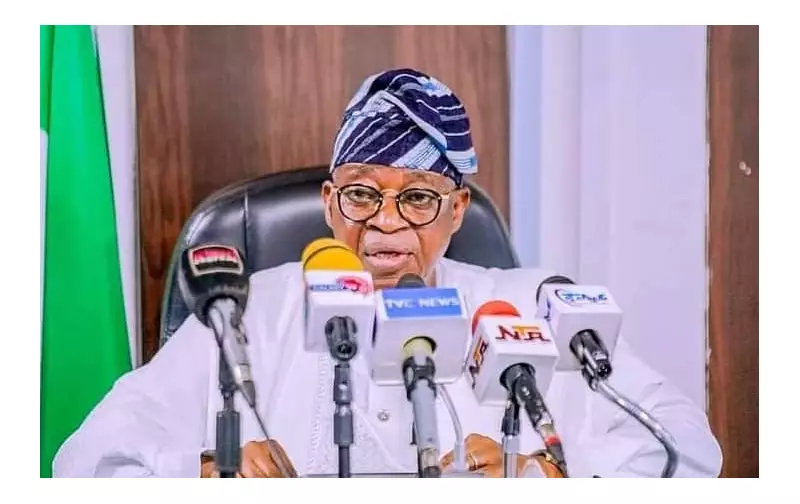
In a significant move for regional marine conservation, Nigeria has been positioned to spearhead the battle against illegal fishing activities in the West Central Gulf of Guinea. This development follows the election of Nigeria's Minister of Marine and Blue Economy, Adegboyega Oyetola, as Chairman of the Conference of Ministers of the Fisheries Committee for the West Central Gulf of Guinea (FCWC).
Regional Cooperation Against Illegal Fishing
The high-level regional meeting took place in Lagos on 15 November 2025, bringing together ministers and representatives from multiple West African nations. The participating countries included Benin, Côte d'Ivoire, Ghana, Liberia, Nigeria, and Togo, alongside regional institutions, international partners, and maritime experts.
The conference, held under the theme "Securing Our Ocean Future: People, Resources, and Commitments," focused on addressing the critical threat of illegal, unreported, and unregulated (IUU) fishing to marine sustainability and regional stability.
Oyetola's Vision for Marine Conservation
In his acceptance speech, Minister Oyetola expressed profound gratitude for the confidence shown by his regional counterparts and committed to building upon the strong foundation established by his predecessors. He emphasized that his tenure would prioritize three key areas:
- Enhanced regional cooperation among member states
- Greater transparency in fisheries management
- Comprehensive capacity building programs
The minister stressed that effective ocean governance represents a shared responsibility requiring political will, coordinated enforcement, and sustained cross-border partnerships.
Strengthening Regional Fisheries Management
Oyetola reaffirmed Nigeria's strong commitment to the FCWC and highlighted the growing importance of the blue economy in national development strategies. He outlined Nigeria's ongoing reforms in several critical areas:
- Port modernization initiatives
- Enhanced maritime security measures
- Expansion of aquaculture projects
- Improved institutional coordination
The minister called for strengthened joint patrols, harmonized regulations, real-time intelligence sharing, and coordinated enforcement mechanisms among all FCWC Member States to effectively combat illegal fishing practices.
Technical Sessions and Financial Sustainability
Prior to the Conference of Ministers, technical sessions were conducted with delegates from FCWC Member States and development partners. These sessions reviewed progress reports and discussed new initiatives for regional fisheries governance.
Antoine Gaston Djihinto, Secretary General of the FCWC, urged member states to improve their financial contributions to sustain regional fisheries and aquaculture programs. He identified inclusive management, human capacity development, and stronger regional coordination as essential components for ensuring sustainable fisheries in the subregion.
The collective effort marks a significant step toward protecting the marine resources that millions of West Africans depend on for their livelihoods and food security.