Nigerian Navy Seeks Strategic Partnerships to Boost Indigenous Shipbuilding Capacity
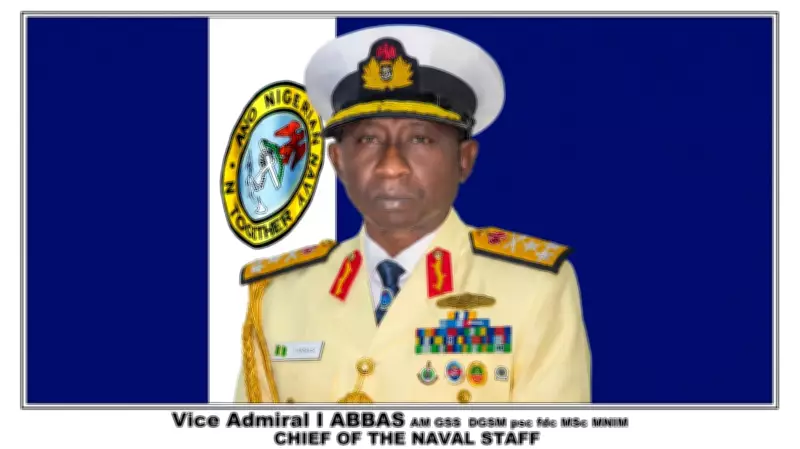
The Nigerian Navy has formally declared its readiness to enter into strategic partnerships with relevant organizations that can enhance indigenous shipbuilding capacity and significantly boost maritime security operations across the nation's territorial waters. This announcement was made by the Chief of Naval Staff, Rear Admiral Idi Abbas, during a high-level meeting at the Naval Headquarters in Abuja.
Meeting with Turkish Defence Giant ASELSAN
Rear Admiral Abbas stated the Navy's position when he received the Managing Director of ASELSAN Nigeria Limited, Mr. Amadou Ndongo Thiam. ASELSAN Nigeria is a subsidiary of the Turkish defence conglomerate ASELSAN, established specifically to provide advanced defence electronics, radar systems, communication infrastructure, and electro-optic solutions to Nigerian security forces.
The company, based in Abuja, currently supports the Nigerian Armed Forces through partnerships with both the Nigerian Air Force and the Navy, aiming to enhance overall security capabilities while simultaneously building local technological expertise.
Commitment to Technology Transfer and Defence Industrial Base
Abbas emphasized that the Navy remains steadfastly committed to partnerships that deliver tangible technology transfer and strengthen Nigeria's defence industrial foundation. He reiterated the critical importance of structured collaborations, particularly those conducted through formal government-to-government frameworks.
Such frameworks ensure transparency, operational efficiency, and alignment with Nigeria's national security priorities, while strategically positioning the Nigerian Navy for enhanced maritime security operations. The CNS highlighted that indigenous capacity building is a cornerstone of long-term maritime sovereignty.
ASELSAN's Proposed Collaboration Framework
Earlier in the meeting, Thiam confirmed ASELSAN's readiness to establish a long-term, comprehensive partnership with the Nigerian Navy. The proposed collaboration would focus on several key areas:
- Formation of joint ventures with Nigerian entities
- Direct collaboration with indigenous shipyards and maritime engineering firms
- Integration of advanced defence technologies into existing and future naval platforms
Thiam specifically highlighted the company's extensive expertise in unmanned systems, infrared search and track systems, integrated combat solutions, and the comprehensive modernization of naval platforms. He expressed confidence that a partnership would yield significant advancements in Nigeria's maritime defence capabilities.
Demonstration of Indigenous Shipbuilding Progress
According to the Director of Naval Information, Navy Captain Abiodun Folorunsho, Thiam had previously led a company delegation on a visit to Naval Dockyard Limited. During this visit, the delegation observed the ongoing construction of Seaward Defence Boats, a project that further underscores the tangible opportunities for synergy with Nigeria's growing indigenous shipbuilding capacity.
This practical demonstration served to highlight the existing infrastructure and technical skill base within Nigeria that could be augmented through strategic international partnerships.
Parallel Developments in Army Healthcare Modernization
In a related development concerning Nigeria's broader defence infrastructure, the Chief of Army Staff, Lieutenant General Waidi Shaibu, has emphasized that the optimization of medical services within the Nigerian Army is fundamentally dependent on the integration of standardized administrative protocols and robust inter-agency synergy.
Shaibu made this assertion when he received the Managing Director of Defence Health Maintenance Limited, Rear Admiral Azeeze Afolayan (Retired), during a courtesy visit to the Army Headquarters in Abuja. The COAS noted that as the Nigerian Army continues to conduct complex operations across all six geopolitical zones, maintaining the physical and mental readiness of the force remains a strategic priority.
This priority demands a responsive, modern, and efficient healthcare framework. Shaibu also addressed the welfare of retirees, observing that retirement often introduces socio-economic vulnerabilities due to limited access to resources. He stressed the principle that "the man must survive" after a lifetime of dedicated service, reaffirming the Army's lifelong obligation to its retirees and advocating for a safety net that ensures former service members are not left without essential financial or medical assistance.
Call for Standardized Medical Administration
In his remarks during the Army visit, Afolayan advocated for the institutionalization of Standard Operating Procedures, specifically for the Human Resources and administrative departments within military medical units. He emphasized that the effective functionality of healthcare delivery relies on standardized forms and operational clarity.
This represents a necessary shift away from ad-hoc processes toward a more disciplined, policy-driven approach. "This modernization is essential to ensure that medical personnel data is accurately captured and that administrative hurdles do not impede the swift delivery of care to troops and their families nationwide," Afolayan stated.
Together, these developments within the Navy and Army illustrate a concerted push across Nigeria's defence establishment to forge strategic partnerships, build indigenous capacity, and modernize support systems to enhance overall national security and operational effectiveness.