Nigerian Ports Authority Sets N1.489 Trillion Revenue Target for 2026
The Nigerian Ports Authority (NPA) has unveiled an ambitious revenue target of N1.489 trillion for the 2026 fiscal year, accompanied by plans for a comprehensive overhaul of Nigeria's busiest seaports in Lagos. This announcement marks a significant step in repositioning the country's maritime sector for enhanced global competitiveness.
Major Infrastructure Modernization Drive
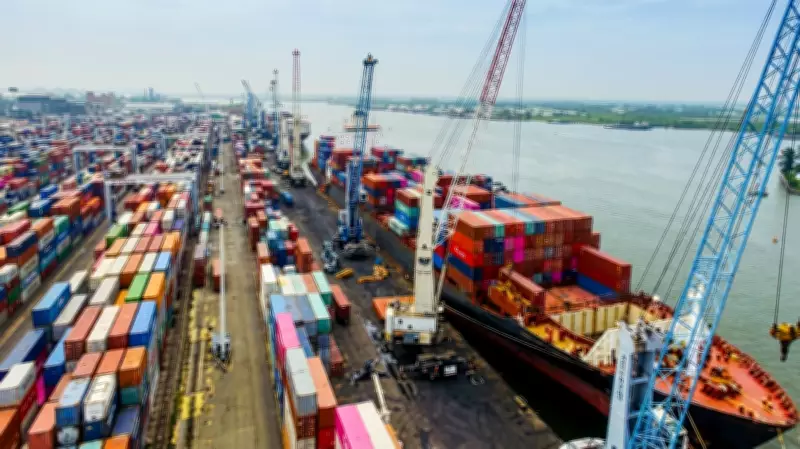
During a budget defense session before the Senate Committee on Marine Transport, NPA Managing Director Abubakar Dantsoho revealed that the agency will embark on sweeping modernization efforts targeting two critical maritime gateways: Apapa Port and Tin Can Island Port. Dantsoho emphasized that both facilities have operated beyond their original capacities, with Apapa Port approaching a century of service and Tin Can Island Port functioning for over five decades.
The NPA chief painted a stark picture of current challenges, noting that both ports are constrained by:
- Outdated infrastructure systems
- Limited capacity to handle modern cargo volumes
- Aging operational facilities
"Groundbreaking for their modernization will commence in the next two to three weeks," Dantsoho announced, signaling the start of what could become one of Nigeria's most significant maritime infrastructure upgrades in recent history.
Budget Breakdown and Financial Strategy
The proposed N1.489 trillion revenue target represents a N21 billion increase over the N1.468 trillion target set for 2025. Notably, the agency not only met but exceeded last year's benchmark, recording actual revenue of N1.97 trillion.
A detailed breakdown of the 2026 budget proposal reveals:
- N945 billion allocated to capital projects, primarily focused on port upgrades and modernization
- N447.5 billion designated for operational costs and daily administration
- N90.6 billion projected for remittance into the Consolidated Revenue Fund
The 2026 budget is anchored on the theme "Consolidation, renewed resilience and shared prosperity," with particular emphasis on infrastructure expansion as a pathway to achieving higher revenue generation.
Financial Transparency and Regulatory Compliance
Addressing concerns around financial autonomy, Dantsoho reiterated the agency's commitment to transparency, explaining that all NPA-generated revenues are paid directly into the Treasury Single Account (TSA) managed by the Central Bank of Nigeria (CBN).
"We do not retain any funds. The Central Bank is the signatory, and we must apply for funds whenever needed," he stated, underscoring the agency's strict compliance with federal financial regulations and accountability measures.
Legislative Support and Oversight
Reacting to the presentation, Wasiu Eshinlokun, Chairman of the Senate Committee on Marine Transport, emphasized that the committee's engagement with the NPA aims to strengthen performance rather than create confrontation.
The planned port modernization represents a critical component of Nigeria's broader economic strategy, with upgraded port infrastructure expected to enhance cargo handling efficiency, reduce congestion, and ultimately boost Nigeria's position in global maritime trade.