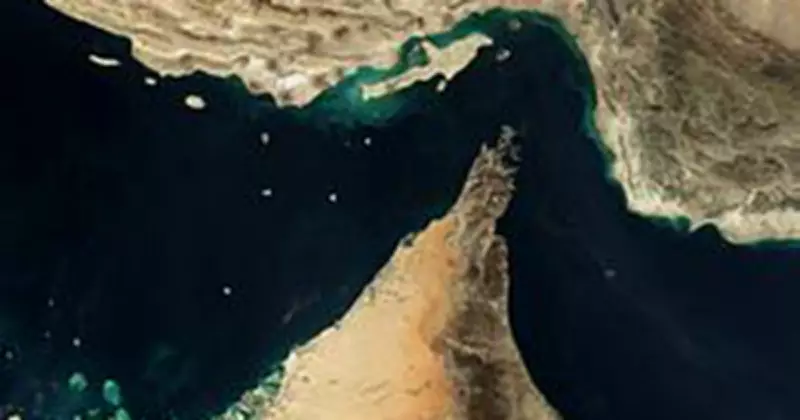
The Strategic Importance of the Strait of Hormuz
The Strait of Hormuz serves as a vital maritime chokepoint connecting the Persian Gulf with the Gulf of Oman and the Arabian Sea. This narrow waterway, measuring approximately 104 miles (167 kilometers) in length, narrows to just 20 miles (33 kilometers) at its most constricted point. The shipping lanes within the strait are even more confined, with each direction limited to about 2 miles (3 kilometers) wide.
Geographic and Commercial Significance
On the northern coast lies Iran, while the southern coast is formed by the Musandam Peninsula, which is shared by Oman and the United Arab Emirates. Historically, this strait has been essential for commerce for centuries, with records dating back to the era of Babur, who recognized its importance for transporting commodities like almonds.
Today, the Strait of Hormuz carries approximately 20% of the world's liquefied natural gas and about one-quarter of global oil shipments. Every day, around 20 million barrels of crude oil pass through this waterway, representing roughly one-fifth of global petroleum production. Countries including Saudi Arabia, Kuwait, and other Gulf states depend heavily on this route to access markets in Asia, Europe, and beyond.
Traffic Patterns and Navigation
Commercial traffic typically flows through the Traffic Separation Scheme (TSS) located north of the Musandam Peninsula. However, the waters are deep enough—exceeding 650 feet in places—to allow large ships to use the Inshore Traffic Zone south of Oman's Didimar island. Although Omani authorities generally reserve this area for smaller vessels during peacetime, it served as the primary passage through the strait before 1979.
Geopolitical Control and Potential Disruptions
Iran's Dominance and Threats
Iran controls the northern side of the Strait of Hormuz and has periodically made political and military threats to close it. While the strait has never been shut down for an extended period in modern history, the possibility remains a constant concern. For instance, during Iran's 12-day conflict with Israel in 2025, analysts warned that oil prices could surge past $100 per barrel if the strait were blocked.
Recent Shipping Disruptions in 2026
In recent weeks, several tankers have come under attack near the strait, leading many vessels to avoid the area. This has created what experts describe as an "effective halt of traffic." Even without a formal closure, the heightened risk has delayed shipments and driven up global oil prices. Some liquefied natural gas carriers from Qatar, including one chartered by British Gas owner Centrica, have had to reroute or pause their journeys, demonstrating the global energy supply's sensitivity to disruptions in this narrow channel.
Potential Consequences of Closure
Experts suggest that Iran would likely only fully close the strait as a last resort, since such action would also cripple its own economy by halting oil and goods exports. However, smaller-scale disruptions—such as signal jamming, ship detentions, or sea mine deployments—could still have significant global impacts, increasing freight costs and commodity prices.
Global Implications and Market Vulnerability
The Strait of Hormuz may be narrow, but its importance to the world economy is enormous. As a critical waterway for energy transport, its security is directly linked to regional politics and global stability. Even minor disruptions in the area send shockwaves through international markets, underscoring the world's heavy reliance on this maritime route.
With limited alternative routes available, any sustained interruption could tighten global supplies of oil and liquefied natural gas, leading to price spikes and economic uncertainty. The strait's strategic value ensures that it remains a focal point of international attention and diplomatic efforts to maintain open sea lanes.