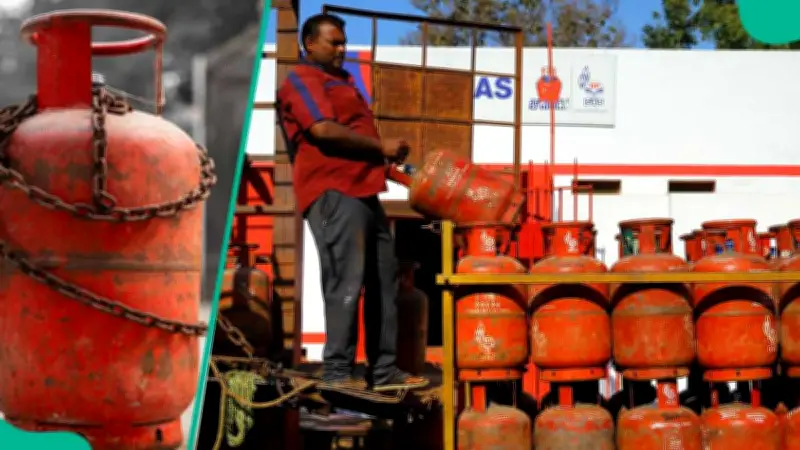
Households across Nigeria are experiencing significant relief as the price of Liquefied Petroleum Gas (LPG) continues to tumble, with some retail outlets now selling at N1,200 per kilogram, down from N1,450 in recent weeks. The price drop, observed over the past three weeks, has been driven by increased supply from major players, including Dangote Refinery, and a dramatic surge in imports.
Price Reductions Across Major Cities
In Abuja, retail prices have fallen across key outlets. Ranoil now dispenses LPG at N1,350 per kilogram, Shafa at N1,300, and AP Ardova at N1,400, a notable decrease from the N1,450–N1,500 range recorded earlier this month. Lagos has seen even steeper cuts: Gasland depot in the Iju area now sells at N1,200 per kilogram, compared to N1,450 just a week ago. Communities in the Federal Capital Territory (FCT) such as Dawaki, Kubwa, Gwarampa, and Lugbe have also recorded reductions, with retailers dropping prices from N1,700 to approximately N1,500 per kilogram, according to Daily Trust.
Depot Prices Continue to Decline
Data from PetroleumPriceNG shows that LPG depot prices have stabilized between N997 and N1,030 per kilogram, a significant drop from the N1,100 per kilogram levels seen previously. These lower wholesale rates are gradually filtering into the retail market, enabling more affordable refill costs for consumers. Industry observers note that the alignment of depot and retail trends suggests sustained downward momentum.
Supply Boost from Dangote and Record Imports
The price crash is underpinned by a sharp increase in domestic LPG availability. According to the Nigerian Midstream and Downstream Petroleum Regulatory Authority (NMDPRA), LPG imports surged by an extraordinary 1,400% in June 2026, reaching 1.5 kilotonnes per day. This massive influx, combined with consistent supply from Dangote Refinery and other local producers, has eased market pressure and encouraged retailers to lower pump prices. The NMDPRA data highlights the role of import liberalization and improved logistics in stabilizing the market.
Market Outlook and Potential Risks
With depot prices remaining low and supply expected to remain robust, consumers may continue to benefit from affordable cooking gas in the coming weeks, provided exchange rates and other macroeconomic factors stay favorable. However, industry analysts caution that any disruption in imports or a sudden depreciation of the naira could reverse the trend. Meanwhile, private petroleum depots have raised petrol prices by up to N61 per litre, reflecting rising replacement costs and the dominant influence of Dangote Refinery in the downstream sector. The contrasting movements in petrol and LPG markets illustrate the complex dynamics of Nigeria's energy landscape.